

 ไทย
ไทย Français
 Русский
 Deutsch
 Español
 中文
中文 한국어
한국어 日本語
日本語Puppy Socialisation in Thailand: Cafés, Parks, and Meetups
Discover how to safely socialise your puppy in Thailand. Learn about safe exposure, dog-friendly cafés, park walks, and community meetups to raise a confident dog.
Boba
26 April 2026 · 5 min read
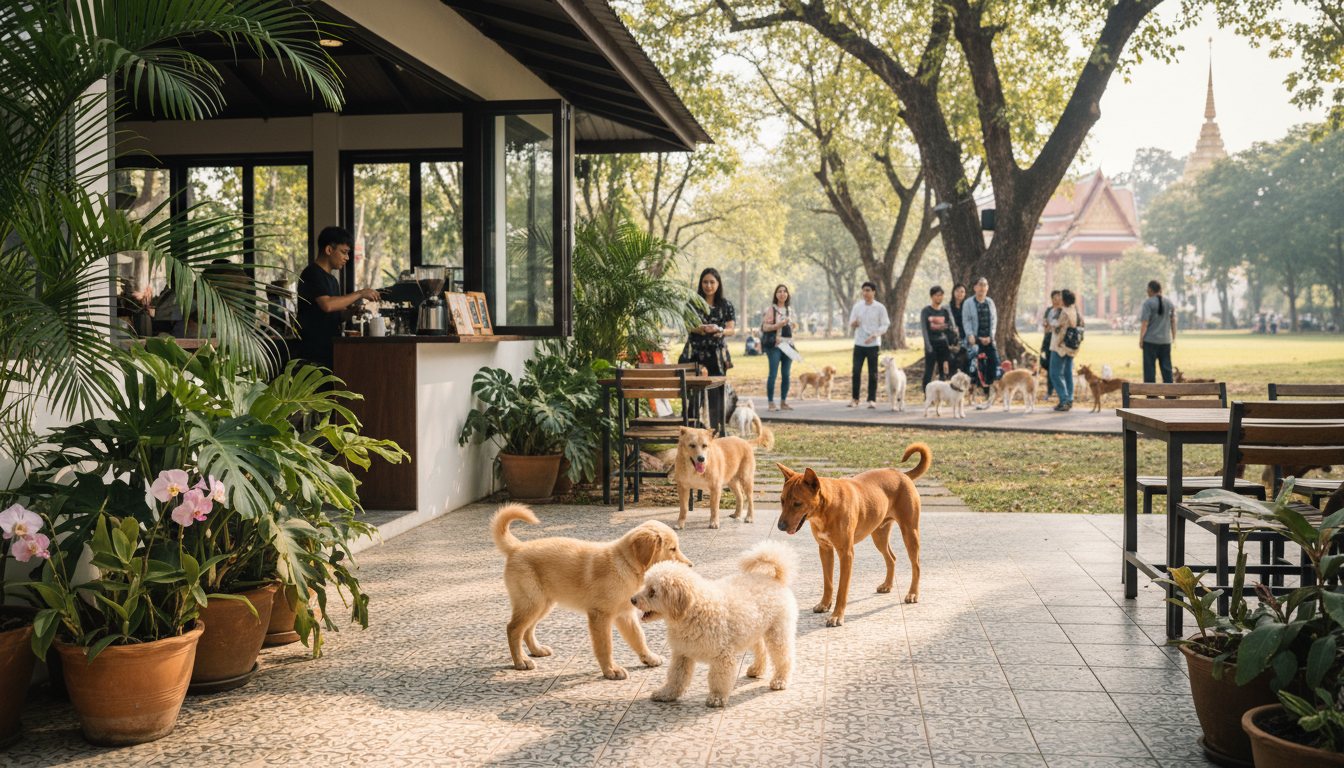
Bringing a new puppy into your life is an incredibly exciting milestone, but raising a confident, well-adjusted dog in Thailand comes with its own unique set of circumstances. From navigating the bustling, sensory-rich streets of Bangkok to managing the tropical heat, our environment demands a thoughtful approach to puppy socialisation. Socialisation is not just about letting your puppy play with other dogs; it is the process of gently introducing them to the sights, sounds, textures, and smells of the world they will inhabit. Doing this successfully in Thailand means balancing the need for exposure with the realities of local climates, street dog populations, and safety guidelines.
The Golden Socialisation Window and Safe Exposure
Veterinary behaviorists generally agree that the critical socialisation window for puppies closes around 16 weeks of age. During this brief period, your puppy's brain is highly adaptable, making it the perfect time to build positive associations with novel experiences. However, this window overlaps directly with their puppy vaccination schedule. This creates a common dilemma for pet owners: how do you socialise your puppy before they are fully vaccinated against diseases like parvovirus and distemper?
The key is safe, controlled exposure. You do not need to let your puppy's paws touch the ground in public spaces to socialise them. Instead, consider these safe methods:
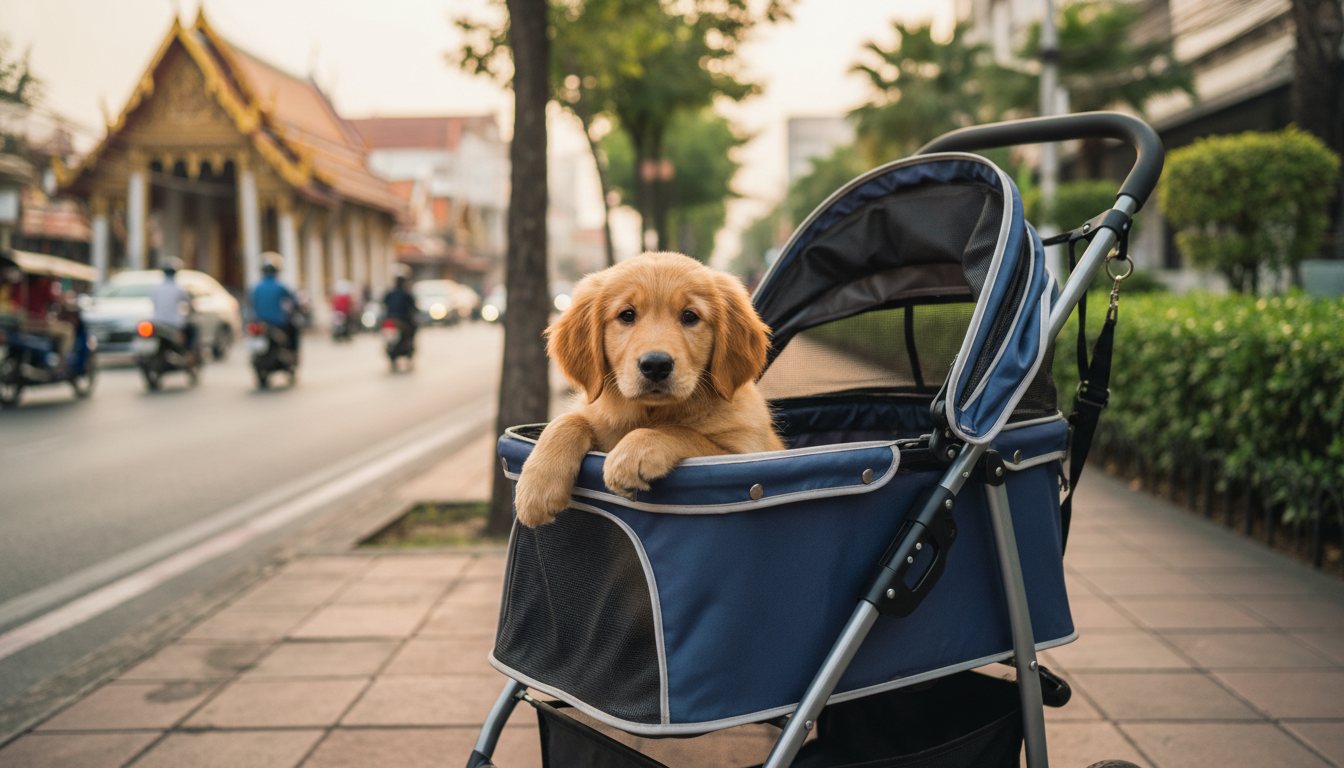
- Use a pet stroller or carrier: Take your puppy out to bustling areas, markets, or parks, keeping them safely zipped inside a stroller or bag so they can observe the world without touching contaminated ground.
- Car rides and window sessions: Drive around your neighborhood or park near a busy area, allowing your puppy to watch traffic, pedestrians, and other animals from the safety of your car.
- Host controlled playdates: Invite healthy, fully vaccinated adult dogs belonging to friends or family to play in a clean, private indoor space.
Always consult your local veterinarian to understand the specific disease risks in your neighborhood and to establish a safe vaccination timeline before letting your puppy explore the ground.
Navigating Thailand's Dog-Friendly Cafés
Thailand boasts an incredible café culture, and pet-friendly establishments have become a staple for dog owners, especially during the sweltering hot season when air conditioning is a necessity. Cafés are fantastic environments for teaching your puppy to settle calmly around strangers, clinking glasses, and low-level chatter.
When choosing a spot, look for venues that cater specifically to pets, offering clean environments and designated areas for dogs. For instance, Dogkery Cafe in Bangkok provides a wonderful, welcoming atmosphere where you can enjoy a treat while your puppy learns to relax in a public, indoor setting.
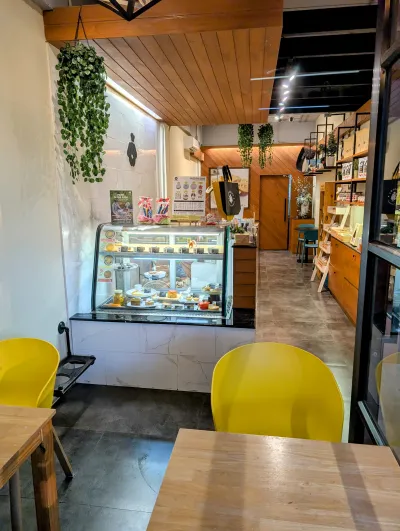
Before you visit, pack a "settle mat" (a familiar blanket or towel), some high-value treats, and a chew toy to keep your puppy occupied. Start with short visits during off-peak hours to avoid overwhelming your young dog. As they become more comfortable, you can look out for structured community events, such as the Afternoon in a café with dogs, which provides a wonderful opportunity for controlled socialisation in a supportive environment.
Exploring Parks and Outdoor Spaces Safely
Once your veterinarian gives you the green light to let your puppy explore the ground, public parks and dedicated dog parks offer excellent opportunities to experience different surfaces like grass, gravel, and dirt. In Thailand, outdoor socialisation requires careful planning around the weather. Early mornings and late afternoons are the best times to avoid the midday heat and hot pavement, which can easily burn sensitive puppy paws.
Dedicated facilities offer secure, fenced environments where your puppy can interact with others. A great option for Bangkok residents is BARKTOPIA DOG PARK BKK, which offers a safe, designed space for dogs to play and explore.
If you prefer a more natural, expansive setting, lakeside walks and public parks are ideal for teaching your puppy to walk on a leash while experiencing nature. Participating in organized group walks, such as the Walk in Nong Bon with the dog, helps your puppy practice walking calmly alongside other dogs without the pressure of face-to-face interactions.
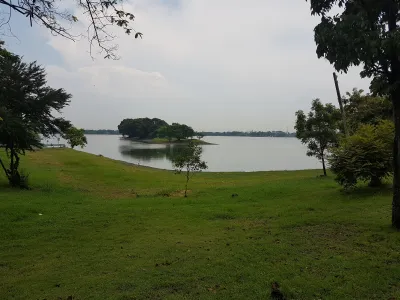
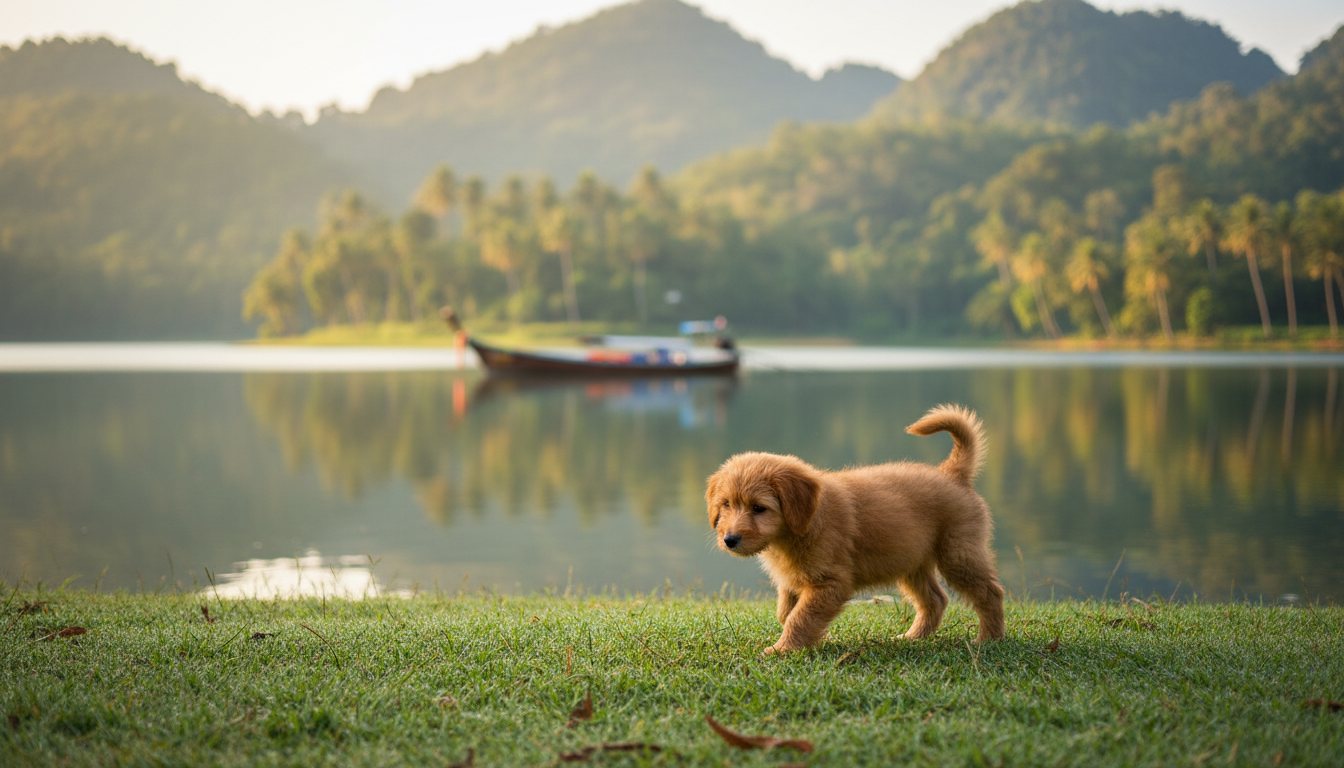
Always keep a close eye on your puppy's body language during park visits. If you notice tucked tails, flattened ears, or attempts to hide, it is time to take a step back and give them some space.
Community Meetups and Evening Socials
As your puppy grows more confident, community meetups and social gatherings become highly beneficial. These events allow your puppy to meet a diverse range of people and other well-behaved dogs. In Thailand's urban centers, pet-friendly community hubs frequently host social events in the cooler evening hours.
Attending an event like the Evening social gathering in a pet-friendly bar is a fantastic way to transition your puppy into more dynamic social environments while meeting fellow pet lovers in your community.
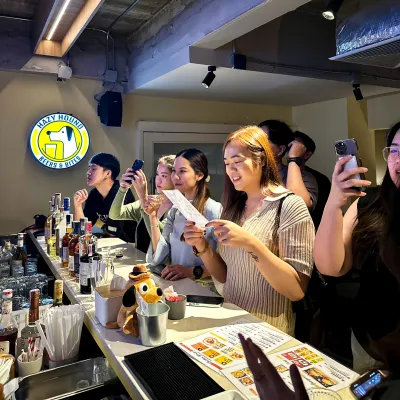
When attending these gatherings, remember that quality of interaction is far more important than quantity. A single positive, calm interaction is worth much more than dozens of chaotic, stressful encounters. Keep interactions brief, reward calm behavior with treats, and always advocate for your puppy if another dog or person becomes too overbearing.
Essential Tips for Thai Puppy Socialisation
To ensure your puppy's socialisation journey is safe, healthy, and enjoyable, keep these practical tips in mind:
- Prioritise hydration: Always carry a portable water bottle and a collapsible bowl. Puppies dehydrate much faster than adult dogs, especially in Thailand's humid climate.
- Watch out for street dogs: While many local soi dogs are friendly or indifferent, some can be territorial. Keep your puppy on a secure leash, maintain a safe distance, and avoid areas with known active packs.
- Check local regulations: Before visiting any park or beach, verify their pet policies. Rules regarding pet entry and leash requirements can change, so it is always wise to check with local municipal offices or official park management.
- Maintain preventative healthcare: Ensure your puppy is up to date on vaccinations, tick and flea prevention, and heartworm medication. Consult your veterinarian or check guidelines from the Department of Livestock Development to ensure your pet is fully protected against regional health risks.
Socialising your puppy is a marathon, not a sprint. By taking things slowly, prioritizing positive experiences, and utilizing Thailand's wonderful dog-friendly venues, you will set your companion up for a lifetime of confidence and adventure.
This guide is general information, not veterinary or legal advice. Rules, fees and requirements change: check with your vet or the relevant authority before you act.
Written by
Boba
Part of the Wagdee community of pet lovers in Thailand.
Keep reading
 Training & behaviour
30 April 2026 · 4 min read
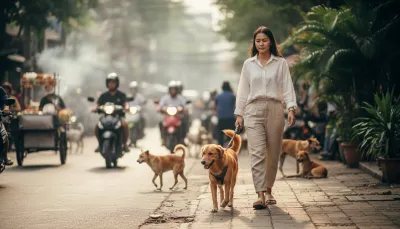
Leash Training for Busy Thai Sidewalks
Master the art of walking your dog on Thailand's bustling streets, from navigating soi dogs and motorbikes to keeping cool in the tropical heat.
 Training & behaviour
22 April 2026 · 4 min read
Calming Pet Anxiety During Thai Storms and Fireworks
Help your dog or cat stay calm during Thailand's monsoon season, Loy Krathong, and New Year fireworks with our practical guide to managing pet noise anxiety.
 Training & behaviour
18 April 2026 · 5 min read
Teaching Your Dog to Swim Safely in Thailand
Keep your canine companion safe in the water. From tropical beaches to Bangkok dog pools, here is how to teach your dog to swim safely in Thailand.