

 ไทย
ไทย Français
 Русский
 Deutsch
 Español
 中文
中文 한국어
한국어 日本語
日本語Fostering Pets in Thailand: A Rewarding Way to Save Lives
Discover how fostering a rescue dog or cat in Thailand works, from managing the tropical climate to the bitter-sweet joy of helping them find a forever home.
Boba
8 May 2026 · 5 min read

Walk down any soi in Bangkok, Chiang Mai, or Pattaya, and you will see them. The resilient community dogs sleeping in the shade of 7-Eleven entrances, and the quick-witted street cats navigating the alleyways. While Thailand's local communities often do their best to feed and care for these street animals, shelters are constantly stretched to their limits, especially during the monsoon season when flooding and dampness bring increased risks of tick-borne diseases and respiratory infections. For animal lovers who want to make a profound difference but are not ready for a fifteen-year commitment, fostering offers a beautiful, practical solution. It is a temporary arrangement that saves lives, frees up space in overcrowded shelters, and prepares vulnerable animals for their forever homes.
How Fostering Works in Thailand
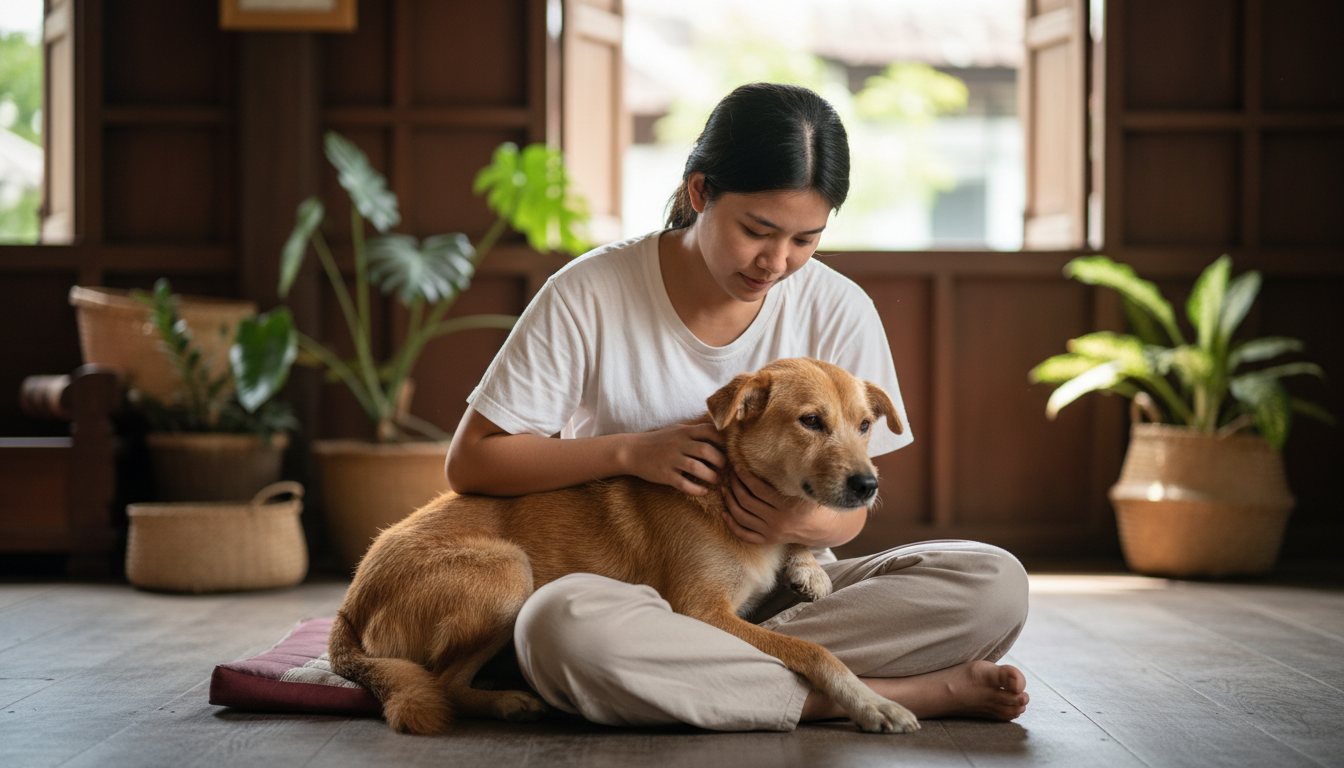
Fostering is essentially a trial run for a pet's future domestic life. Many street dogs and cats have never experienced the inside of a house, the sound of a television, or the feeling of sleeping on a soft dog bed under an air conditioner. Your primary job as a foster parent is to show them that humans can be trusted and that domestic life is safe.
The process usually begins with an application. Rescue groups will ask about your living situation—whether you live in a high-rise condo in Bangkok, a house with a fenced yard in Hua Hin, or a quiet villa in Phuket. They will also ask about your work schedule, other pets, and your experience with animals. This screening is crucial because it helps coordinators match the right animal to your lifestyle. A high-energy young dog might not suit a small studio apartment, but a quiet, recovering senior cat might find it to be absolute paradise.
What Shelters Provide vs. What You Give
One of the biggest misconceptions about fostering is that it is a heavy financial burden. In reality, most reputable rescue organizations in Thailand cover the major costs. While policies vary from one organization to another, shelters typically provide:
- Medical care: This includes vaccinations, spaying or neutering, and treatment for existing conditions. If the pet falls ill, the shelter will direct you to their partner clinic. Always consult the shelter and their designated vet before administering any treatment.
- Basic supplies: Many groups will supply a starter kit containing a collar, leash, food bowls, and sometimes a crate or a carrier.
- Food and preventative medicine: Depending on their budget, shelters often supply food and essential preventative treatments for heartworm and ticks—critical in Thailand's tropical climate.
What you provide is the "soft" infrastructure: your home, your time, your patience, and your love. You are responsible for daily feeding, basic training, and taking the pet to scheduled veterinary appointments.
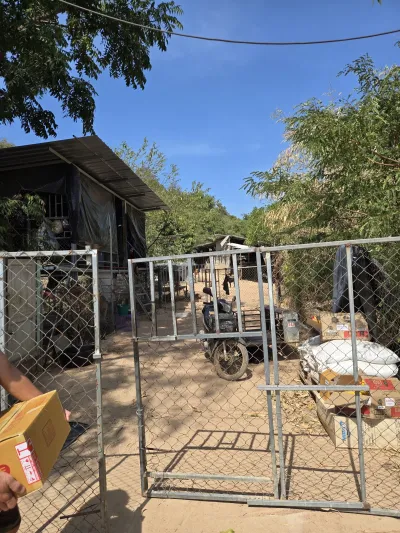
For instance, organizations like Ban Saphan Boon Bang Saray (stray dog) in Chonburi do incredible work managing stray populations and rehabilitation, and they rely heavily on community support and foster homes to give dogs a quiet space to heal away from the busy shelter environment.
The Time Commitment and Daily Routine
A foster placement can last anywhere from a few weeks to several months. Puppies and kittens, which are highly vulnerable to diseases in a shelter environment, are often fostered for just a few weeks until they complete their initial vaccination rounds. Adult dogs recovering from surgery or trauma might need a quiet home for two to three months.
Your daily routine will need to adapt to Thailand's unique climate. Never walk dogs during the midday heat. The pavement can easily burn their paw pads, and heatstroke is a very real danger. Instead, establish a routine of early morning and late evening walks when the air is cooler.
During the rainy season, you will need to be diligent about drying your foster dog's paws and fur after walks to prevent fungal infections, which thrive in high humidity. For cats, keeping them strictly indoors is essential, not only for their safety from traffic and soi dogs but also to prevent the spread of feline diseases.
Preparing Your Home for a Thai Foster
Before bringing your foster pet home, you need to pet-proof your space. Thai homes often feature tiled floors, which are wonderfully cool in the hot season but can be slippery for dogs recovering from joint injuries or those with weak limbs. Placing cheap, non-slip yoga mats or rugs along frequent pathways can prevent slips and joint strain.
If you live in a condo, balconies are a major hazard. Ensure your balcony is completely secure with mesh or netting; a curious cat can easily slip through balcony railings, and a startled dog might attempt to jump.
Mosquitoes are another major consideration in Thailand, as they transmit heartworm. While your foster pet should be on preventative medication prescribed by the vet, keeping screens closed and using pet-safe mosquito repellents can add an extra layer of protection. Always check with your vet before using any pest control products around animals.
The Bitter-Sweet Art of Saying Goodbye
The most common reason people give for not fostering is: "I would get too attached and couldn't say goodbye." It is a completely natural fear. You will bond with these animals, watch them transform from terrified, skinny street survivors into happy, tail-wagging companions.
But saying goodbye is the ultimate goal of fostering. When you see your foster pet go to a loving forever family—whether locally in Thailand or flying to an adoptive home overseas—the feeling of pride and fulfillment is unmatched. You didn't just care for an animal; you saved a life and made room for the shelter to rescue another.
And if you truly cannot bear to part with them? That is what the community affectionately calls a "foster fail"—when a foster parent decides to officially adopt their guest. Whether they stay with you forever or use your home as a stepping stone to their next adventure, fostering is one of the most hands-on, rewarding ways to help Thailand's animals.
This guide is general information, not veterinary or legal advice. Rules, fees and requirements change: check with your vet or the relevant authority before you act.
Written by
Boba
Part of the Wagdee community of pet lovers in Thailand.
Keep reading
 Adoption & rescue
16 May 2026 · 5 min read
Soi Dogs: Understanding Thailand's Street Dogs
Discover the cultural context of Thailand's street dogs, learn how to stay safe around territorial packs, and find out how to support local rescue efforts responsibly.
 Adoption & rescue
12 May 2026 · 4 min read
Adopting a Rescue Dog in Thailand: A Complete Guide
Ready to welcome a new four-legged family member? Discover how to choose a shelter, prepare your tropical home, and help your Thai rescue dog settle in smoothly.
 Adoption & rescue
4 May 2026 · 5 min read
The First 30 Days: Guide to Adopting a Cat in Thailand
Bringing a new cat into your Thai home? Discover essential tips for safe rooms, condo safety, vet checks, and helping your pet adjust to their new environment.