

 ไทย
ไทย Français
 Русский
 Deutsch
 Español
 中文
中文 한국어
한국어 日本語
日本語Adopting a Rescue Dog in Thailand: A Complete Guide
Ready to welcome a new four-legged family member? Discover how to choose a shelter, prepare your tropical home, and help your Thai rescue dog settle in smoothly.
Boba
12 May 2026 · 4 min read
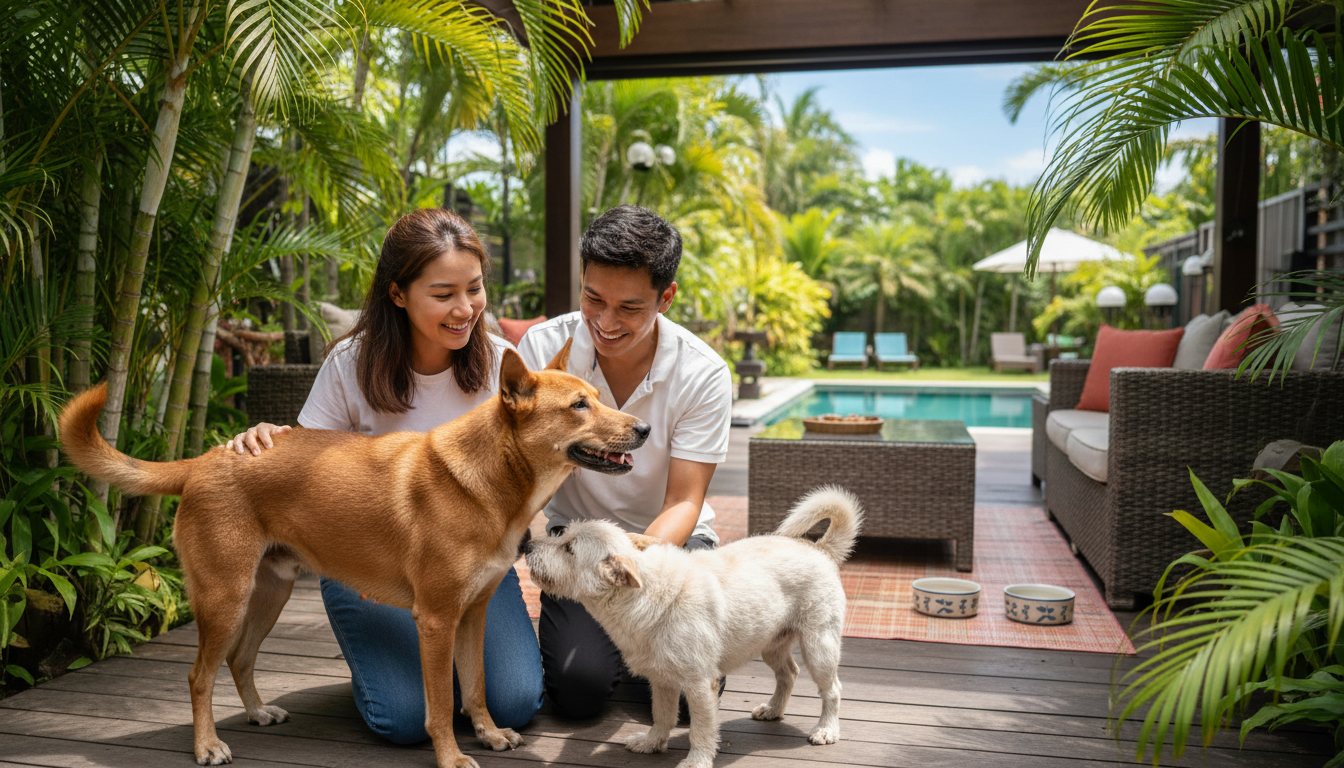
Bringing a rescue dog into your life is one of the most rewarding decisions you can make, especially here in Thailand. Whether you are an expat settling into a Chiang Mai villa, a local family in a Bangkok condo, or living beachside in the south, our streets and shelters are filled with resilient, loving dogs waiting for a second chance. While the prospect of adoption is incredibly exciting, navigating the process in Thailand requires some local know-how. From understanding the tropical climate's impact on your new pet to finding the right rescue organization, preparation is key to ensuring a smooth transition for both you and your new four-legged family member.
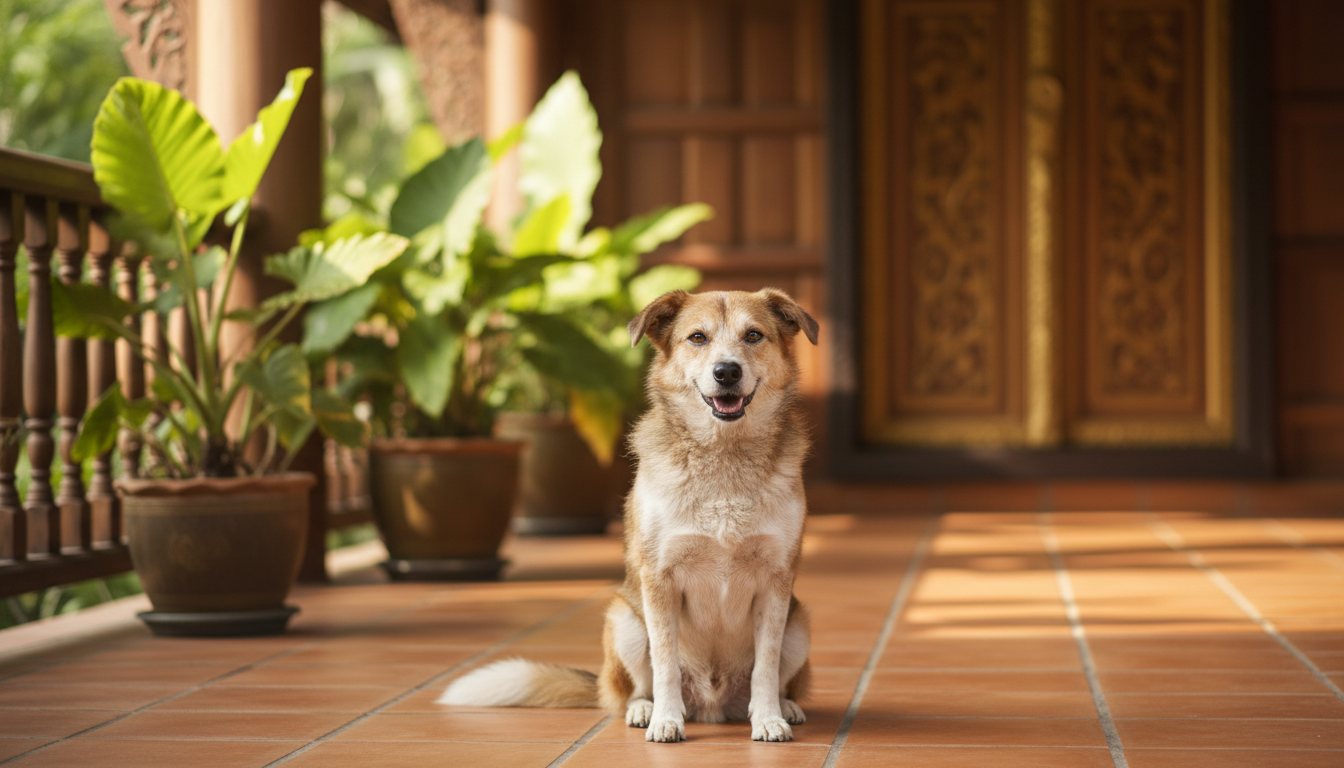
Finding the Right Shelter
Thailand is home to many dedicated animal welfare organizations, ranging from large-scale sanctuaries to small, community-run rescues. When choosing where to adopt, look for registered non-profit organizations that prioritize animal welfare, provide medical care, and conduct thorough behavioral assessments. A good shelter will want to know about your lifestyle, living space, and experience level to help you find a dog that fits your home.
If you are living in or near Phuket, Bodhi Dog Rescue and Shelter is an excellent place to start. They focus on rescuing, rehabilitating, and rehoming street dogs, ensuring each animal receives medical treatment and socialization before finding a forever home.
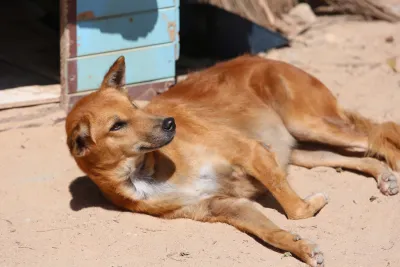
For those based in the Gulf of Thailand, the Dog and Cat Rescue Samui Foundation has been working tirelessly for decades to manage the stray population and find loving homes for rescued animals on Koh Samui.
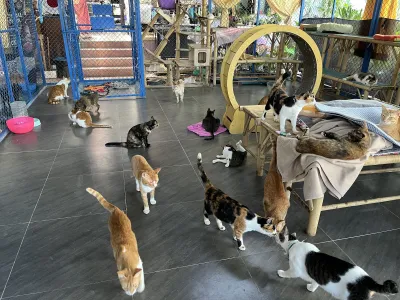
Further north in the archipelago, Koh Koh Pups on Koh Tao focuses on the welfare of puppies and dogs on the island, offering a localized approach to rescue, medical care, and adoption.
Essential Questions to Ask the Shelter
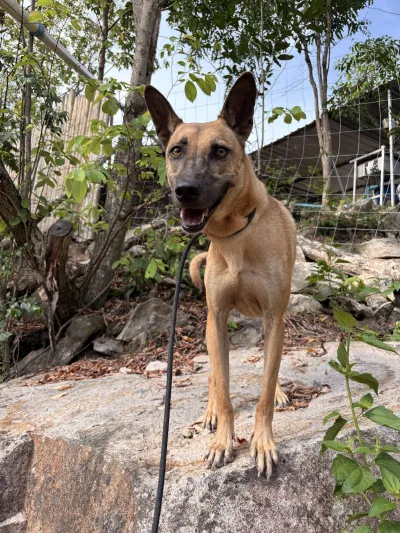
Before you sign the adoption papers, it is important to gather as much information as possible about your potential new companion. Shelter staff know their dogs best and can provide invaluable insights. Here are key questions you should ask:
- What is the dog's medical history? Ask about vaccinations, sterilization status, and whether they have been tested for common tropical conditions like heartworm or tick-borne diseases.
- How does the dog react to others? Find out how they behave around other dogs, cats, children, and strangers. This is crucial if you live in an area with active soi dog populations.
- What is their energy level? A high-energy dog might struggle in a small Bangkok apartment but thrive on a spacious property in Isan.
- Are they house-trained? Many rescue dogs have lived their entire lives outdoors and will need patience and guidance to understand indoor living.
Preparing Your Thai Home for a New Arrival
Preparing your home for a rescue dog in Thailand involves both standard pet-proofing and climate-specific adjustments. Our tropical weather, seasonal monsoons, and local wildlife present unique challenges that require careful planning.
First, ensure your yard is completely secure. Many Thai street dogs are incredibly agile and can easily scale low walls or squeeze through gate gaps. Check your perimeter fences and reinforce them if necessary to prevent escape attempts, especially during the loud fireworks of Loi Krathong or the thunderous downpours of the rainy season.
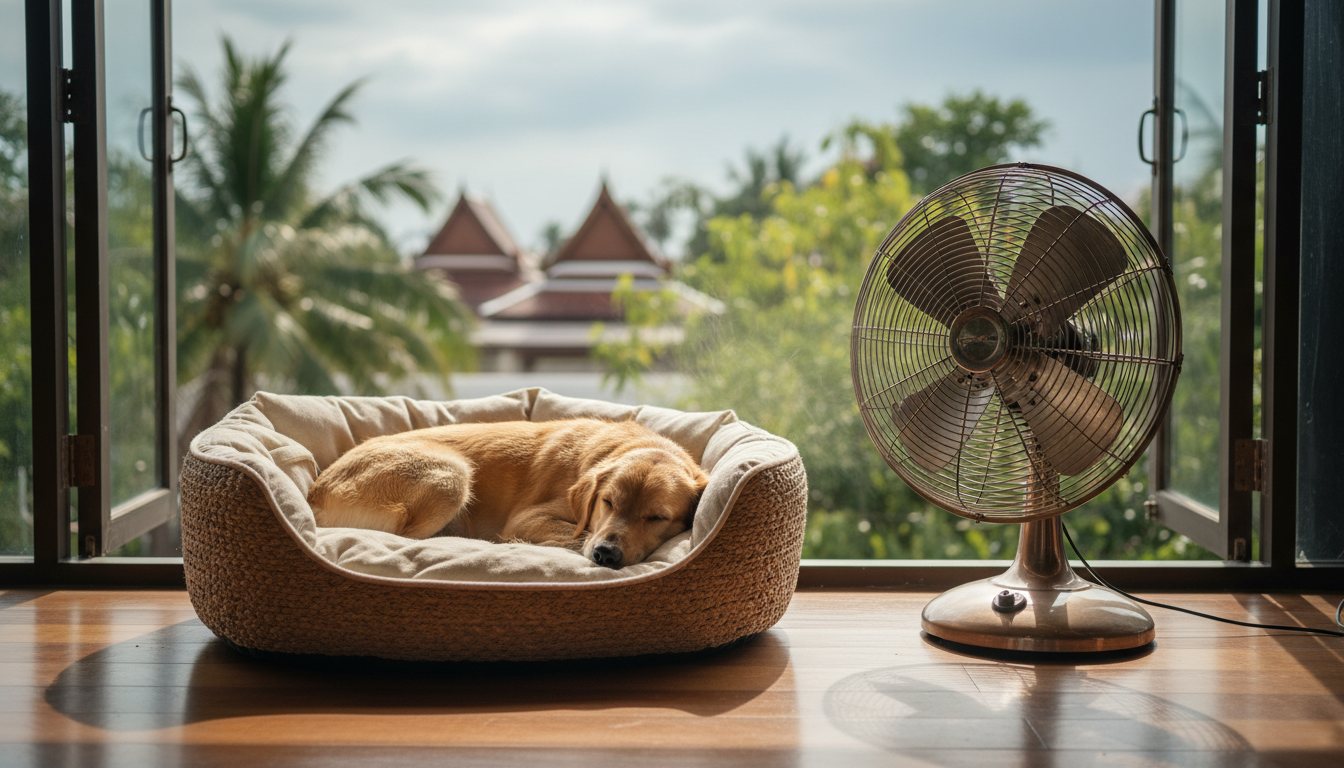
Inside, create a cool sanctuary. Tile or polished concrete floors are excellent for helping dogs cool down, but you should also provide a dedicated bed in a draft-free, air-conditioned room or next to a safe floor fan. Always keep multiple bowls of fresh, clean water available throughout the house to prevent dehydration in the intense midday heat.
The First Vet Visit and Health Essentials
Even if the shelter provides a clean bill of health, scheduling a visit to a local veterinary clinic within the first week of adoption is highly recommended. Establish a relationship with a trusted vet who can guide you through Thailand's specific pet health requirements.
During this first visit, your vet will likely recommend a comprehensive blood test. In Thailand, tick-borne diseases (such as Ehrlichiosis) and heartworm are incredibly common due to the year-round warm climate. Your vet will advise on the best preventative treatments, which typically include monthly spot-on treatments, oral chews, or collars.
Ensure your dog's vaccination card is up to date. Core vaccines in Thailand protect against rabies, parvovirus, distemper, and hepatitis. If you plan to travel domestically or internationally with your dog in the future, keep all vaccination records meticulously organized, as these are required by the Department of Livestock Development for transit permits.
Settling In and the 3-3-3 Rule
Bringing a rescue dog home is a major transition, and patience is your most valuable asset. Animal behaviorists often refer to the 3-3-3 rule to describe the phases of a rescue dog's adjustment:
- The first 3 days: Your dog may feel overwhelmed, scared, or shut down. They might refuse to eat or try to hide. Keep their environment quiet, avoid introducing them to too many new people, and stick to a calm, predictable routine.
- The first 3 weeks: Your dog will start to settle in, realizing they are safe. Their true personality, including any behavioral quirks, will begin to emerge. This is the time to establish clear boundaries and start basic, positive-reinforcement training.
- The first 3 months: By this point, most dogs will have built a secure bond with you, understanding that your home is their permanent pack. They will feel secure in their daily routine of walks, meals, and rest.
Remember that many Thai rescue dogs have spent their lives navigating the streets. They are incredibly smart and adaptable, but transitioning to a domestic routine takes time. With a gentle approach, consistent boundaries, and plenty of love, your rescue dog will soon become an irreplaceable part of your Thai life.
This guide is general information, not veterinary or legal advice. Rules, fees and requirements change: check with your vet or the relevant authority before you act.
Written by
Boba
Part of the Wagdee community of pet lovers in Thailand.
Keep reading
 Adoption & rescue
16 May 2026 · 5 min read
Soi Dogs: Understanding Thailand's Street Dogs
Discover the cultural context of Thailand's street dogs, learn how to stay safe around territorial packs, and find out how to support local rescue efforts responsibly.
 Adoption & rescue
8 May 2026 · 5 min read
Fostering Pets in Thailand: A Rewarding Way to Save Lives
Discover how fostering a rescue dog or cat in Thailand works, from managing the tropical climate to the bitter-sweet joy of helping them find a forever home.
 Adoption & rescue
4 May 2026 · 5 min read
The First 30 Days: Guide to Adopting a Cat in Thailand
Bringing a new cat into your Thai home? Discover essential tips for safe rooms, condo safety, vet checks, and helping your pet adjust to their new environment.