

 ไทย
ไทย Français
 Русский
 Deutsch
 Español
 中文
中文 한국어
한국어 日本語
日本語Soi Dogs: Understanding Thailand's Street Dogs
Discover the cultural context of Thailand's street dogs, learn how to stay safe around territorial packs, and find out how to support local rescue efforts responsibly.
Nattaya Wongsakul
16 May 2026 · 5 min read

Walk down any street in Bangkok, Chiang Mai, or Phuket, and you will inevitably meet them. Curled up on cool tiled storefront steps, sleeping under the shade of parked pickup trucks, or trotting purposefully along the roadside. These are Thailand's "soi dogs"—named after the Thai word for side street or alley. For newcomers and tourists, their presence can be surprising. For locals, they are an integral part of the neighborhood tapestry. Understanding these street dogs, how they live, and how to interact with them safely and compassionately is essential for anyone living in or visiting Thailand.

The Cultural Context of Community Dogs
In many Western countries, a dog without an owner is viewed as a problem to be immediately removed by animal control. In Thailand, the relationship is different. Influenced deeply by Theravada Buddhism, Thai culture emphasizes compassion and "tam boon" (making merit). Feeding stray animals is a common way for people to generate positive karma. Consequently, many soi dogs are not truly abandoned; they are "community dogs."
A single dog might be fed by several different shopkeepers, sleep in the courtyard of a local temple (wat), and be watched over by residents of a specific alley. While they may not sleep indoors or wear collars, they have a network of human caretakers. This communal care keeps many street dogs well-fed, though it does not always guarantee medical treatment or population control. Understanding this cultural bond helps explain why street dogs are so widely accepted and tolerated across the country.
Staying Safe Around Street Packs
Most soi dogs are remarkably docile, having adapted to the busy, noisy environment of Thai cities. They generally prefer to avoid human conflict. However, they are still pack animals, and their behavior can change depending on the time of day and the season.
During the scorching hot daytime, dogs are usually lethargic, seeking out air-conditioned drafts from convenience store doors or shady dirt patches. As the sun sets and temperatures drop, they become more active. This is when territorial behavior can emerge, especially in quiet residential alleys or beach areas where packs congregate.
To stay safe around street packs, keep these practical tips in mind:
- Avoid running: Running can trigger a dog's prey drive. If you are jogging and encounter a pack, slow down to a walk.
- Keep your distance: Walk on the opposite side of the street if you see a group of dogs congregating, particularly at night.
- Use neutral body language: Do not make direct, intense eye contact, which can be perceived as a challenge. Keep your hands relaxed at your sides and walk past calmly.
- Do not disturb sleeping or eating dogs: A dog that is startled or protecting food is much more likely to react defensively.
If a dog approaches you barking, stop, stand still, and face them slightly sideways. Speak in a low, calm, assertive voice. In most cases, they will lose interest once they realize you are not a threat or an intruder.
Sterilisation and Vaccination: The Path Forward
While the community care model keeps dogs fed, it does not stop the cycle of overpopulation. Without intervention, a single pair of dogs can lead to dozens of puppies facing harsh conditions, traffic accidents, and tick-borne diseases.
The most humane and effective solution is the CNVR (Catch-Neuter-Vaccinate-Return) method. Local authorities, such as the Department of Livestock Development, work alongside non-profit organizations to run sterilization and rabies vaccination drives. When a street dog is sterilised, vets often make a small, clean V-shaped clip or notch in one ear while the dog is anesthetized. This notched ear is a universal sign that the dog has been sterilised and vaccinated, helping rescuers identify them from a distance.
Rabies is a serious public health concern in Thailand, though widespread vaccination campaigns have significantly reduced its prevalence. If you are ever bitten or scratched by a street dog, wash the wound thoroughly with soap and clean water for at least fifteen minutes, and seek immediate medical attention at a local hospital for post-exposure prophylaxis.

How to Help Responsibly
If you want to help Thailand's street dogs, it is important to do so in a way that does not create friction with local human communities.
If you choose to feed street dogs, do not leave food on busy sidewalks or directly in front of people's homes where it can attract pests or create a hazard. Feed them in a quiet, safe spot, and always clean up any leftover food or plastic bags afterward. Feeding dogs in the same spot daily can make them territorial over that specific area, so be mindful of where you establish a routine.
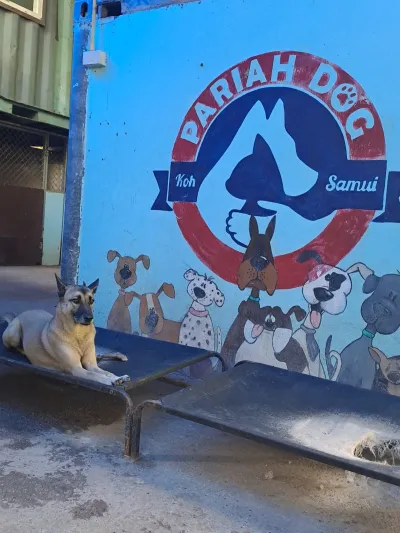
The most sustainable way to help is by supporting established rescue organizations that focus on medical care, sterilization, and adoption. For example, if you are visiting or living in the southern islands, you can support Pariah Dog Koh Samui, an organization dedicated to rescuing, treating, and rehoming vulnerable street dogs in Suratthani.
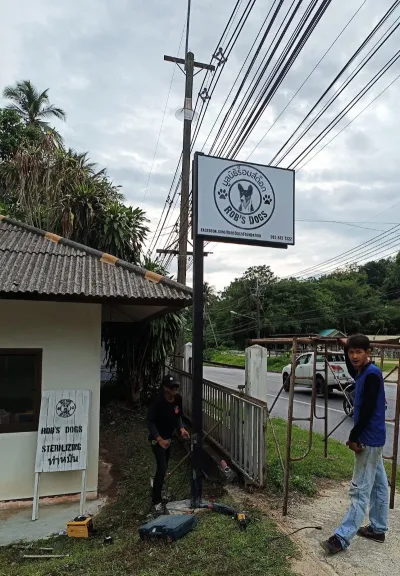
Another excellent organization doing vital work in the same region is Rob's Dogs Foundation, which focuses on providing medical aid, sterilization programs, and shelter for dogs in need. Supporting these groups through donations, volunteering, or flight escorting helps manage the population humanely.
Handling Illness and Injuries
Life on the street is tough. Soi dogs frequently suffer from skin conditions like mange, tick-borne infections, and injuries from road accidents. If you find a sick or injured dog, do not attempt to administer human medications or veterinary treatments yourself, as dosages for dogs are highly specific and some human drugs are toxic to animals.
Instead, contact a local veterinarian or a nearby rescue group. If you need to transport an injured dog to a clinic, exercise extreme caution. An animal in pain may bite even if it is normally friendly. Use a thick towel or blanket to gently scoop them up, or seek professional assistance from local animal rescue volunteers who have the proper equipment and experience.
This guide is general information, not veterinary or legal advice. Rules, fees and requirements change: check with your vet or the relevant authority before you act.
Written by
Nattaya Wongsakul
Part of the Wagdee community of pet lovers in Thailand.
Keep reading
 Adoption & rescue
12 May 2026 · 4 min read
Adopting a Rescue Dog in Thailand: A Complete Guide
Ready to welcome a new four-legged family member? Discover how to choose a shelter, prepare your tropical home, and help your Thai rescue dog settle in smoothly.
 Adoption & rescue
8 May 2026 · 5 min read
Fostering Pets in Thailand: A Rewarding Way to Save Lives
Discover how fostering a rescue dog or cat in Thailand works, from managing the tropical climate to the bitter-sweet joy of helping them find a forever home.
 Adoption & rescue
4 May 2026 · 5 min read
The First 30 Days: Guide to Adopting a Cat in Thailand
Bringing a new cat into your Thai home? Discover essential tips for safe rooms, condo safety, vet checks, and helping your pet adjust to their new environment.