

 ไทย
ไทย Français
 Русский
 Deutsch
 Español
 中文
中文 한국어
한국어 日本語
日本語Choosing a Pet Hotel or Daycare in Thailand: A Complete Guide
Planning a trip? Learn how to choose the perfect pet hotel or daycare in Thailand, from climate control and trial stays to what you need to pack.
Boba
28 May 2026 · 5 min read
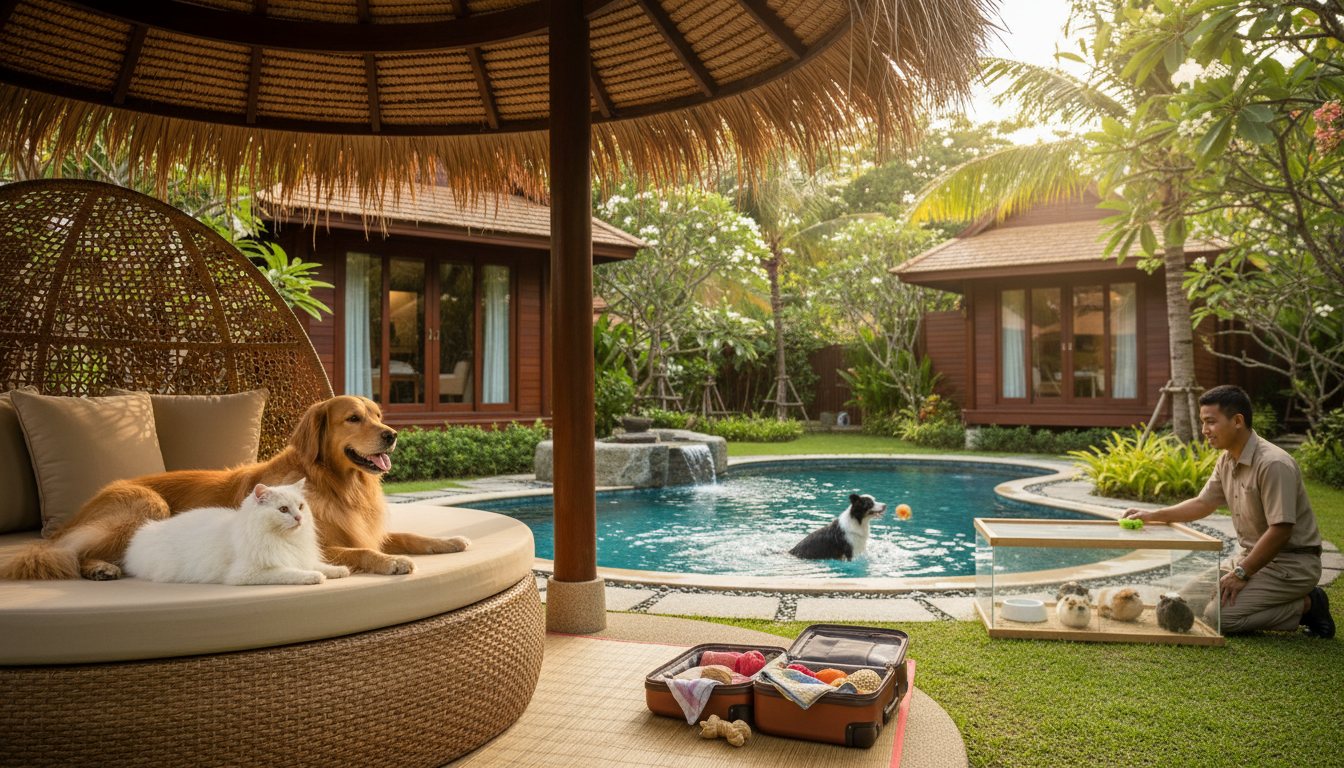
Planning a vacation or a quick weekend getaway is exciting, but for pet owners in Thailand, it always comes with a familiar pang of anxiety: what do we do with our furry family members? Whether you are a Bangkok local heading down to the islands, or an expat taking a trip back home, finding a safe, comfortable, and reliable place for your dog or cat is your top priority. Fortunately, the pet care industry in Thailand has blossomed in recent years, offering everything from luxury feline boutique hotels to high-energy canine play parks. However, choosing the right facility requires looking beyond pretty social media photos to find a place that truly understands pet safety and comfort.
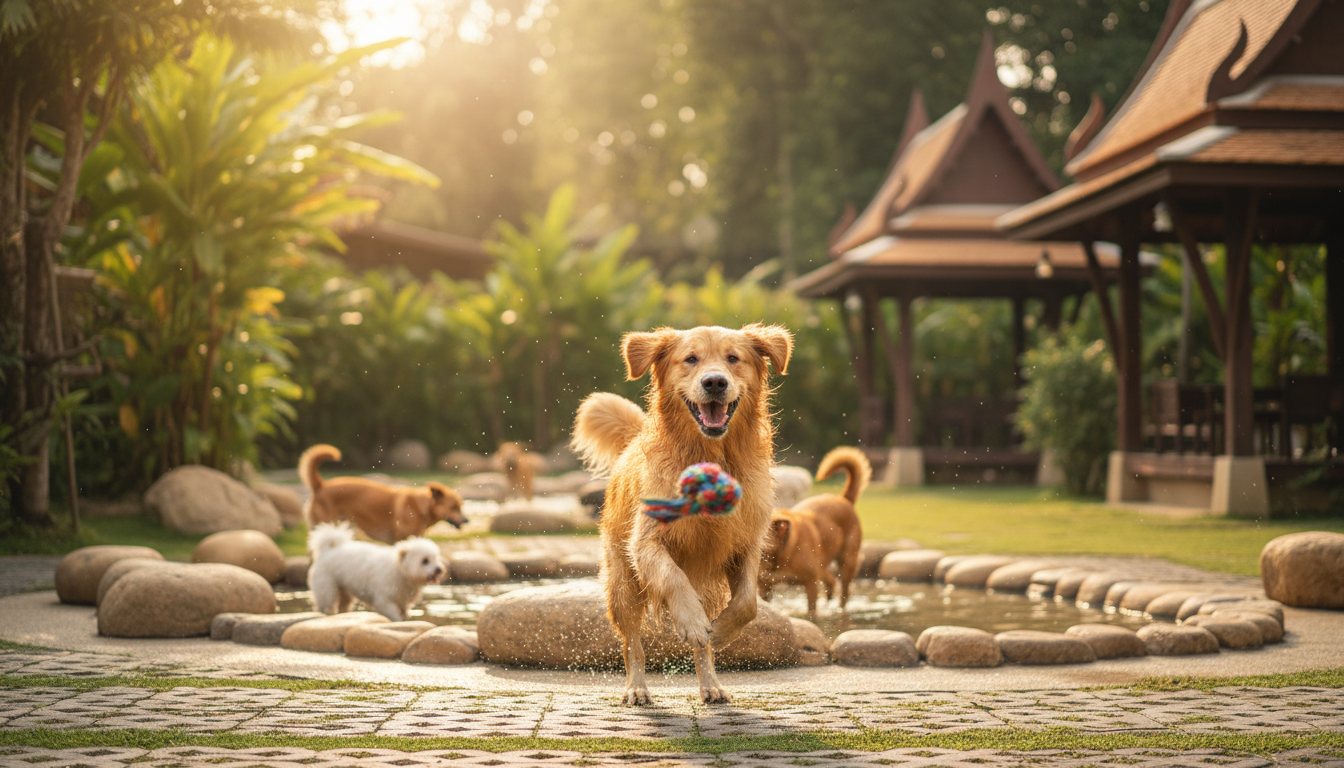
The Essentials: Health, Safety, and Climate Control
Before you look at the play areas or luxury suites, you must focus on the health and safety standards of the facility. Any reputable pet hotel or daycare in Thailand should have strict vaccination policies. For dogs, this typically means up-to-date rabies, DHPP (distemper, hepatitis, parvovirus, parainfluenza), and kennel cough vaccinations. For cats, expect requirements for feline viral rhinotracheitis, calicivirus, and panleukopenia (FVRCP), along with rabies. Always consult your veterinarian well in advance of your trip to ensure your pet's vaccination book is fully stamped and updated. If you plan to transport your pet across provinces, keep in mind that the Department of Livestock Development (DLD) may have specific transit guidelines, so keeping physical copies of these medical records handy is essential.
Another non-negotiable factor in Thailand is climate control. Our tropical climate brings intense heat and humidity year-round, which can lead to heatstroke, especially in flat-faced (brachycephalic) breeds like French Bulldogs, Pugs, and Persian cats. Ensure the facility has reliable, 24/7 air conditioning with backup power generators in case of local power outages. Additionally, ask about their pest prevention protocols. Fleas, ticks, and mosquitoes carrying heartworm are common in warm climates, so a good boarding facility will require proof of regular tick and flea preventative treatments before checking in any guest.
Choosing the Right Environment for Cats vs. Dogs
Dogs and cats have vastly different social and environmental needs. While dogs often thrive on socialization and open spaces, cats are territorial creatures that generally prefer quiet, predictability, and vertical spaces to climb. Mixing the two in a boarding environment can cause immense stress for felines.
For feline owners in Bangkok, finding a quiet, dog-free space is essential. Buttercup Cat Hotel in the Khlong Toei and Watthana area offers a serene, cats-only environment where your kitty can lounge without the sound of barking dogs.
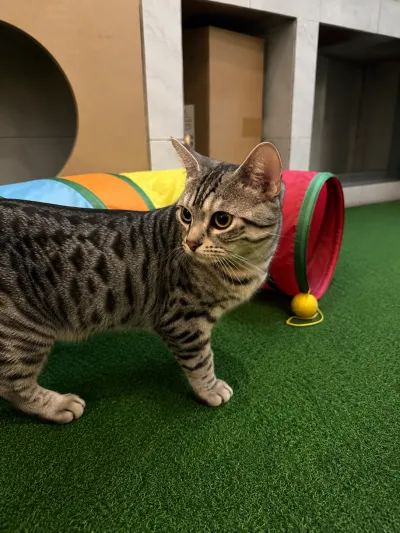
Further south, pet parents have excellent options too. If you are living in or visiting the south, Purrfect Stay Cat Hotel Phuket in Kathu provides a similar dedicated feline sanctuary, ensuring your cat enjoys a stress-free island holiday of their own.

When evaluating a facility for dogs, look for secure, double-gated entryways to prevent escape artists from slipping out. For cats, look for multi-level condos, scratching posts, and private hiding spots where they can observe their surroundings safely from a height.
Daycare vs. Overnight Boarding
It is important to understand whether your pet needs short-term daycare or overnight boarding. Daycare is perfect for high-energy dogs who need socialization and exercise while you are away for the day, or if you are staying at a non-pet-friendly hotel and want your dog to have fun during your daytime excursions.
If you have an energetic dog who just needs a fun place to burn off energy while you run errands or take a day trip, a dedicated daycare is ideal. Happy Pet Care in Bangkok's Khlong Toei and Watthana district provides excellent supervised play and socialization for busy pets.
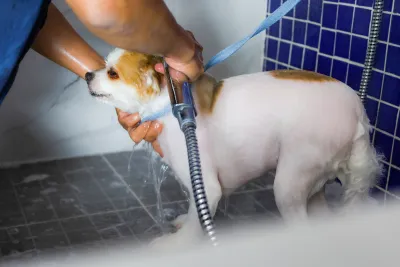
Overnight boarding, on the other hand, requires a more structured environment. Your pet will need a secure, private sleeping area, scheduled feeding times, and overnight supervision. When booking overnight stays, ask if staff members sleep on-site or if the facility is monitored remotely via security cameras during the night.
Why a Trial Stay is Non-Negotiable
Never let your pet's first stay at a hotel be the long one while you are overseas. A trial stay is the best way to prevent separation anxiety and ensure the facility is a good fit. Schedule a half-day daycare session or a single overnight stay at least two weeks before your actual trip.
This trial run serves two purposes: it allows the staff to assess your pet's behavior, temperament, and social compatibility with other animals, and it helps your pet realize that when you leave them there, you will always return to pick them up. Watch how your pet behaves when you collect them. Are they relaxed and happy, or do they seem excessively stressed and exhausted? This test run will give you invaluable peace of mind when you finally board your flight.
What to Pack for Your Pet's Stay
To make the transition as smooth as possible, pack familiar items that smell of home. This sensory comfort is incredibly grounding for animals in a new environment. Here is a quick packing list checklist:
- Their regular food: Sudden dietary changes can cause severe stomach upset and diarrhea, which is the last thing you want your pet to experience while boarding. Pack enough of their regular kibble or wet food for the entire stay, plus a little extra just in case your return is delayed.
- An unwashed t-shirt: A piece of your clothing that carries your scent can be placed in their sleeping area to comfort them during the night.
- Favorite toys: Bring one or two durable toys that they love, but avoid toys that could present a choking hazard if left unsupervised.
- Medications and supplements: Provide clear, written instructions on dosages and administration times. A professional facility will have no problem sticking to a strict medical schedule.
- Vaccination book: Keep the physical booklet containing up-to-date records of all shots and vet contact details.
Questions to Ask Before You Book
When you tour a potential facility, do not hesitate to ask direct questions. A professional and transparent business will welcome your curiosity.
Ask about their caregiver-to-pet ratio to ensure your pet will receive adequate individual attention. Inquire about their emergency protocols: Which local veterinary clinic or 24-hour animal hospital do they partner with if a pet falls ill? Finally, check how they handle communication. Many modern Thai pet hotels offer daily updates, photos, and videos via the LINE app, and some even provide private webcam access so you can check in on your pet in real-time from anywhere in the world. Taking the time to research, visit, and test a facility beforehand ensures that both you and your beloved companion can enjoy a stress-free holiday.
This guide is general information, not veterinary or legal advice. Rules, fees and requirements change: check with your vet or the relevant authority before you act.
Written by
Boba
Part of the Wagdee community of pet lovers in Thailand.
Keep reading
 Travel with pets
18 June 2026 · 5 min read
Road-Tripping Thailand with Your Dog: The Ultimate Guide
Hit the open road with your canine companion. From beating the tropical heat to finding dog-friendly stops, here is how to road-trip Thailand safely.
 Travel with pets
14 June 2026 · 4 min read
Flying within Thailand with your pet
Planning a domestic flight with your dog or cat? Learn about airline policies, crate requirements, and essential health regulations to ensure a safe journey in Thailand.
 Travel with pets
10 June 2026 · 4 min read
Chiang Mai with Pets: Cafés, Parks, and Stays
Planning a trip to Northern Thailand with your pet? Discover dog-friendly cafés, community playparks, luxury resorts, and essential health tips for Chiang Mai's cool season.