

 ไทย
ไทย Français
 Русский
 Deutsch
 Español
 中文
中文 한국어
한국어 日本語
日本語Flying within Thailand with your pet
Planning a domestic flight with your dog or cat? Learn about airline policies, crate requirements, and essential health regulations to ensure a safe journey in Thailand.
Lukas Schmidt
14 June 2026 · 4 min read
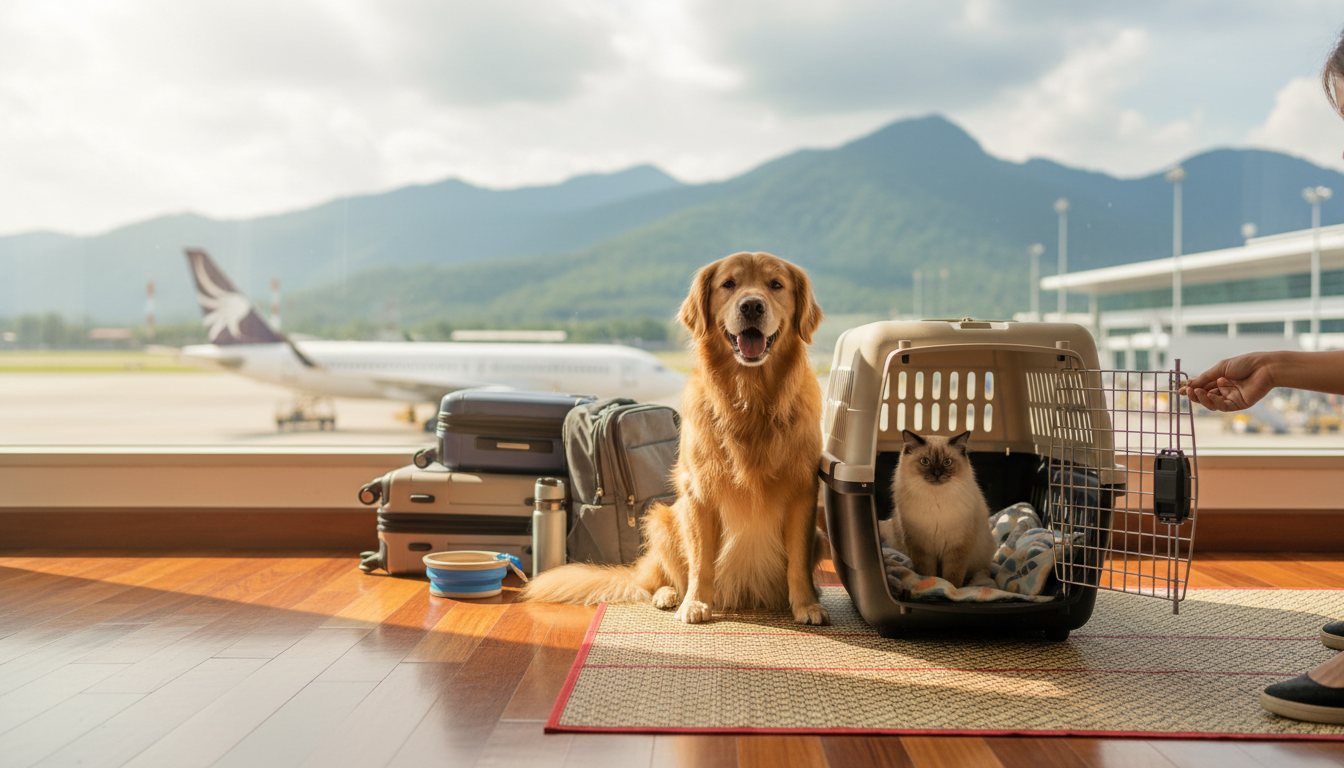
Traveling across Thailand with your four-legged companion is an incredible way to make memories, whether you are heading north to the misty hills of Chiang Mai or south to the sunny beaches of Phuket. While road trips and trains are classic options, flying is often the fastest and most practical choice for long distances. However, taking to the skies with a dog or cat requires more than just buying an extra ticket. Airline policies in Thailand are highly specific, subject to frequent updates, and vary significantly from one carrier to another. To ensure a smooth, stress-free journey for both you and your pet, you need to understand the logistics of domestic air travel well before you pack your bags.
Cabin versus Cargo: How Your Pet Will Fly
In Thailand, pet travel options generally fall into three categories: in-cabin, as checked baggage (AVIH), or via manifest cargo.
- In-Cabin Travel: Very few domestic airlines in Thailand permit pets in the passenger cabin. Those that do have strict weight limits (usually including the carrier) and may only allow them on specific routes or designated pet-friendly flights.
- Checked Baggage (AVIH): This is the most common method for medium to large pets. Your pet travels in a temperature-controlled, pressurized section of the aircraft cargo hold, and you check them in at the passenger terminal before departure.
- Manifest Cargo: If your pet is very large, or if you are flying on an airline that does not offer AVIH services, your pet may need to travel via the airline's dedicated cargo terminal. This requires separate booking processes and drop-off locations.
Because these options vary by airline and aircraft type, always call the airline directly to verify their current rules before booking your own ticket.
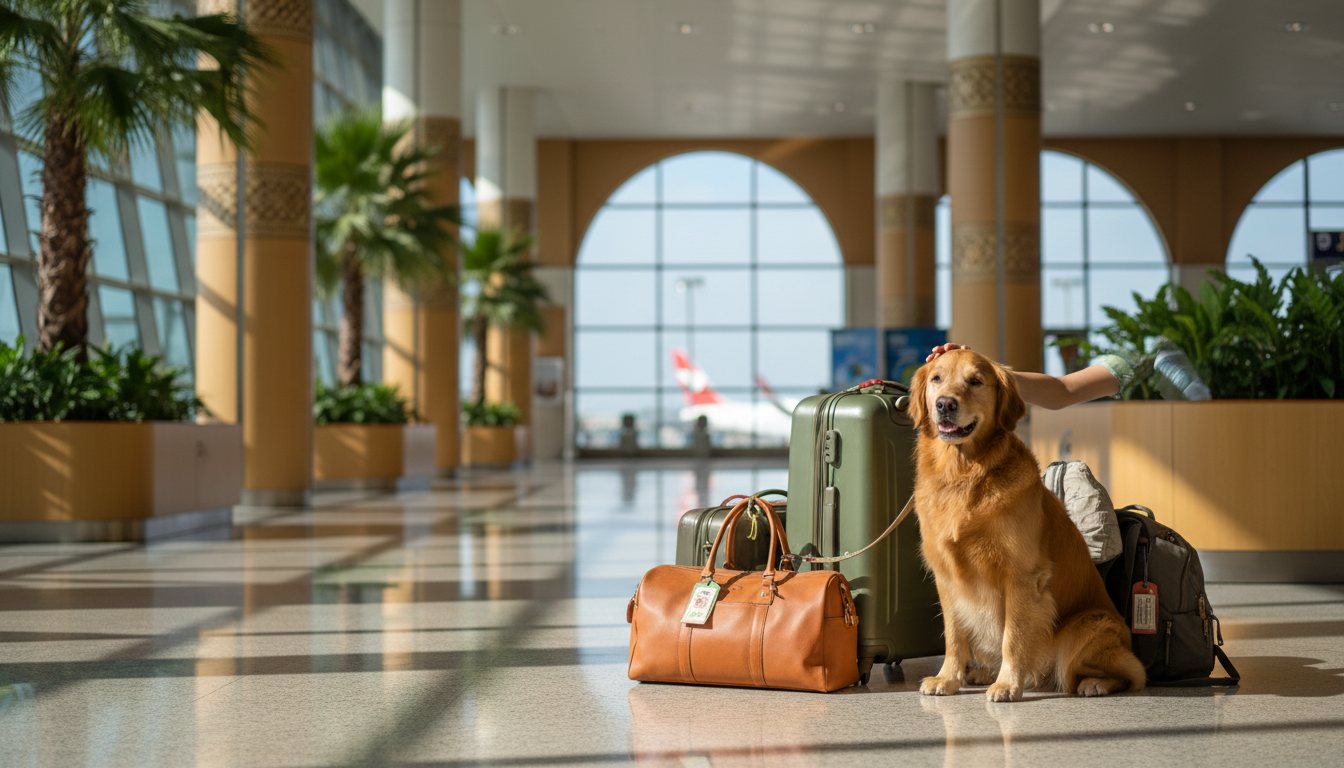
Managing the Tropical Heat and Embargoes
Thailand's tropical climate is a major factor in pet travel safety. High temperatures and humidity, particularly during the hot season from March to May, present real risks of heatstroke for animals.
Airlines are highly sensitive to these weather conditions. Many carriers implement temperature embargoes, meaning they will suspend pet transport in the cargo hold during the hottest hours of the day or during peak summer months. If you must fly during these times, try to book flights that depart in the very early morning or late evening when tarmac temperatures are cooler.
Additionally, if you own a brachycephalic (flat-faced) breed, such as a Pug, Bulldog, or Persian cat, you face stricter limitations. Due to their compromised airways, these breeds are highly susceptible to respiratory distress in hot or stressful environments. Many Thai airlines ban flat-faced breeds from flying in the cargo hold entirely. Consult your veterinarian to discuss alternative travel methods if your pet falls into this category.
Selecting an Approved Travel Crate
Your pet's crate is their safe haven during the flight. Airlines strictly enforce International Air Transport Association (IATA) guidelines for pet containers. If your crate does not comply, the airline will deny boarding at the gate.
To meet IATA standards, the crate must be constructed of rigid plastic, wood, or metal (soft-sided carriers are generally only allowed for in-cabin travel). It must feature:
- Adequate Ventilation: Openings on at least three sides (four for international or long-haul flights).
- Secure Fasteners: Metal bolts and nuts securing the top and bottom halves together, rather than plastic clips.
- A Solid, Leak-Proof Floor: Covered with absorbent puppy pads or blankets.
- Attached Bowls: Food and water dishes secured to the inside of the door, accessible from the outside without opening the crate.
Most importantly, the crate must be large enough for your pet to stand up, turn around completely, and lie down in a natural position without their head touching the ceiling. Buy the crate weeks in advance so your pet can acclimate to it at home.
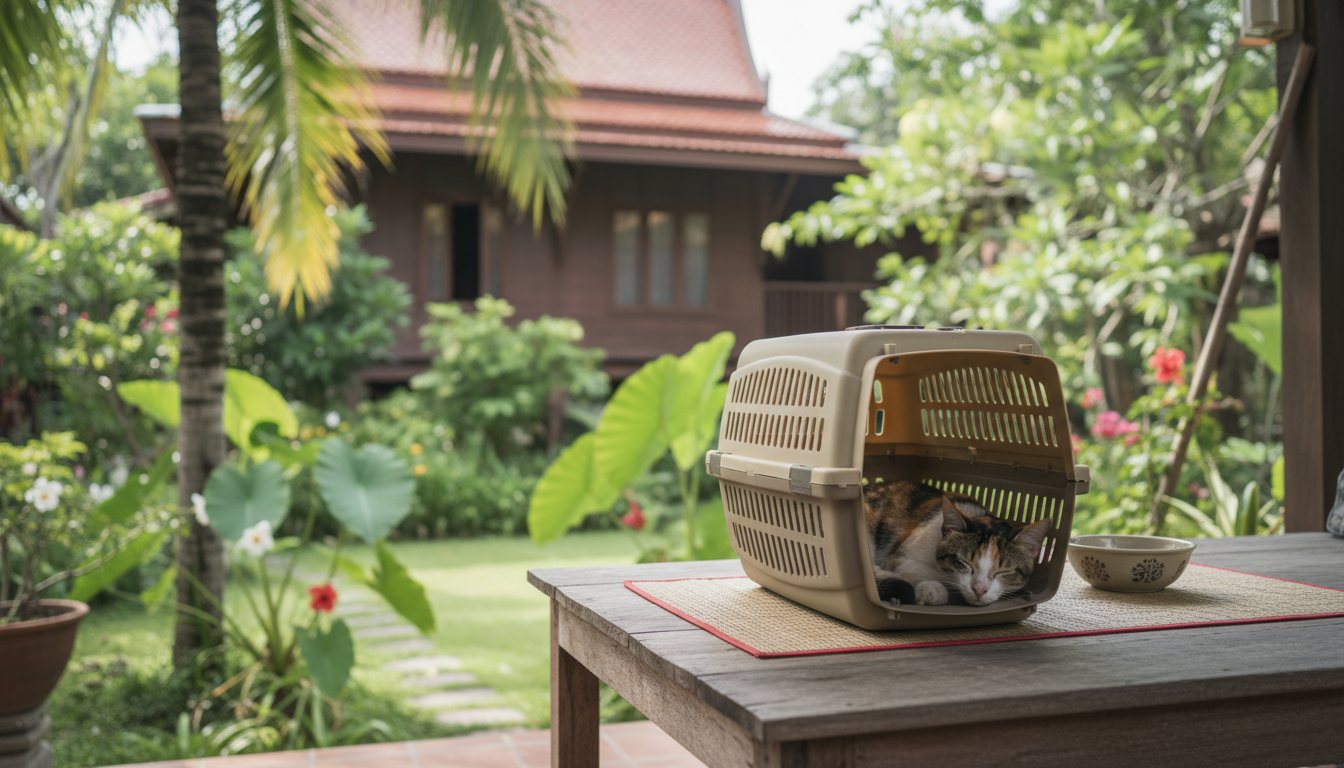
Essential Paperwork and Health Requirements
Navigating the bureaucracy of pet travel requires preparation. For domestic flights within Thailand, you must present specific documentation at check-in.
First, you will need an official health certificate issued by a licensed veterinarian. This certificate typically must be dated within a few days of your flight (usually 72 hours, though some airlines allow up to 7 days). It confirms that your pet is fit to fly and free from contagious diseases.
Second, you must provide your pet's vaccination record, showing up-to-date rabies vaccinations. Thai regulations generally require the rabies vaccine to have been administered at least 14 to 21 days prior to travel, but not more than one year old.
Keep in mind that rules can change. Always consult the Thailand Department of Livestock Development (DLD) or your local veterinary office for the most current domestic transit requirements, especially if you are flying into specific zones like Phuket, which sometimes enforce stricter quarantine or entry checks.
Booking Strategies and Flight Day Tips
Airlines limit the number of pets allowed on each flight. To secure a spot, you should book your pet's ticket as early as possible. Never show up at the airport hoping to buy a pet ticket on the spot; always confirm the pet reservation with the airline's customer service center over the phone and receive a written confirmation.
On the day of the flight, arrive at the airport at least three hours before departure to allow plenty of time for paperwork verification and security checks. Give your pet a light meal about four to six hours before the flight to prevent motion sickness, but keep them hydrated.
Avoid sedating your pet. The changes in atmospheric pressure combined with sedatives can cause dangerous cardiovascular and respiratory issues. Instead, rely on crate training and familiar-smelling blankets to keep them calm. With careful preparation and a clear understanding of the rules, you can ensure a safe and comfortable journey across the Land of Smiles for your beloved companion.
This guide is general information, not veterinary or legal advice. Rules, fees and requirements change: check with your vet or the relevant authority before you act.
Written by
Lukas Schmidt
Part of the Wagdee community of pet lovers in Thailand.
Keep reading
 Travel with pets
18 June 2026 · 5 min read
Road-Tripping Thailand with Your Dog: The Ultimate Guide
Hit the open road with your canine companion. From beating the tropical heat to finding dog-friendly stops, here is how to road-trip Thailand safely.
 Travel with pets
10 June 2026 · 4 min read
Chiang Mai with Pets: Cafés, Parks, and Stays
Planning a trip to Northern Thailand with your pet? Discover dog-friendly cafés, community playparks, luxury resorts, and essential health tips for Chiang Mai's cool season.
 Travel with pets
6 June 2026 · 5 min read
Phuket with Your Dog: A Practical Guide to Island Life
Planning a trip to Phuket with your dog? Discover pet-friendly beaches, cozy Old Town cafés, luxury resorts, and practical safety tips for island life.