

 ไทย
ไทย Français
 Русский
 Deutsch
 Español
 中文
中文 한국어
한국어 日本語
日本語Pet Photography in Thailand: How to Capture Your Best Friend
Learn how to take stunning photos of your dog or cat using your smartphone, from mastering the Thai golden hour to choosing the perfect background.
Boba
22 June 2026 · 4 min read
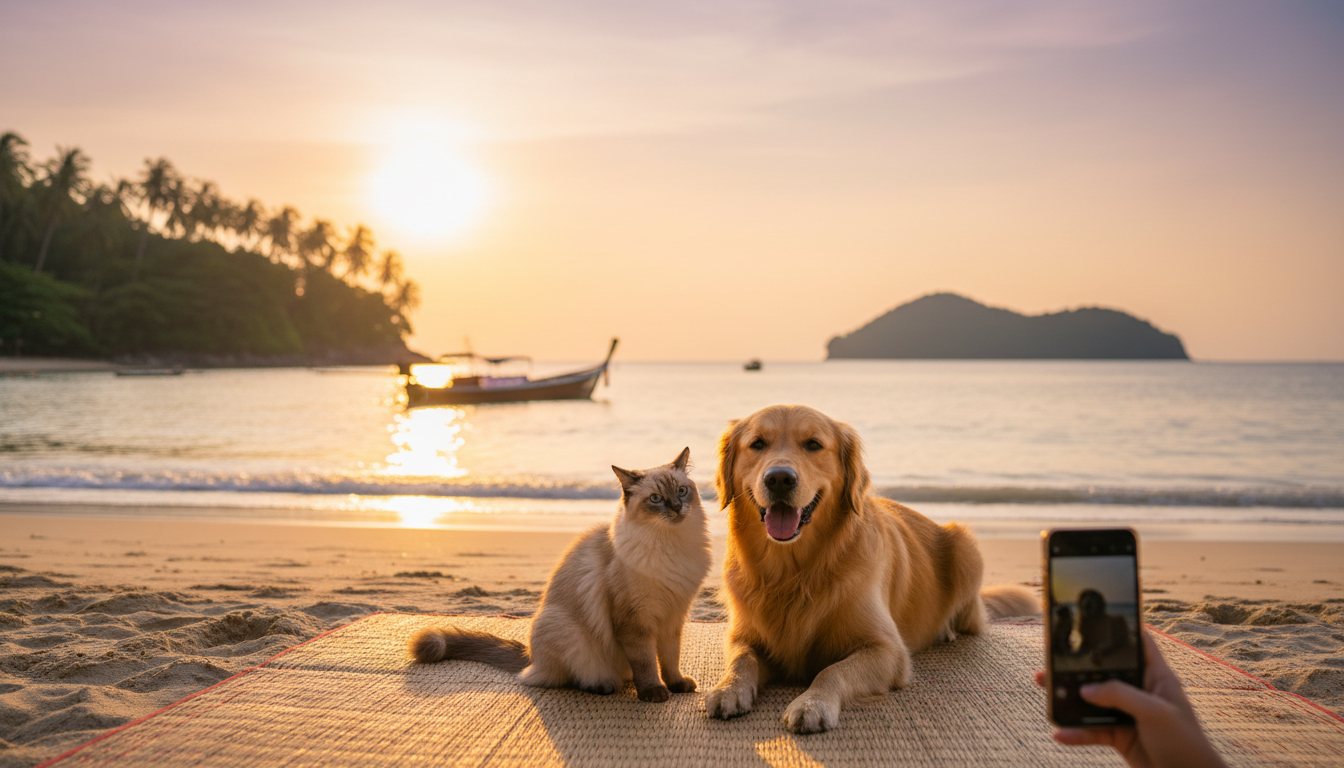
Living in Thailand with a pet means sharing some of the most scenic backdrops imaginable—from the historic streets of Chiang Mai to the breezy beaches of Hua Hin and the leafy dog-friendly parks of Bangkok. Our dogs and cats are family, and we naturally want to capture their personalities in photos. Yet, getting a pet to sit still, look at the lens, and not blend into a dark shadow can feel like an impossible task, especially under the intense tropical sun.
You do not need a professional studio setup to take breathtaking photos of your companion. With a few simple adjustments to your timing, your phone settings, and your overall approach, you can capture images that truly reflect your best friend's spirit.
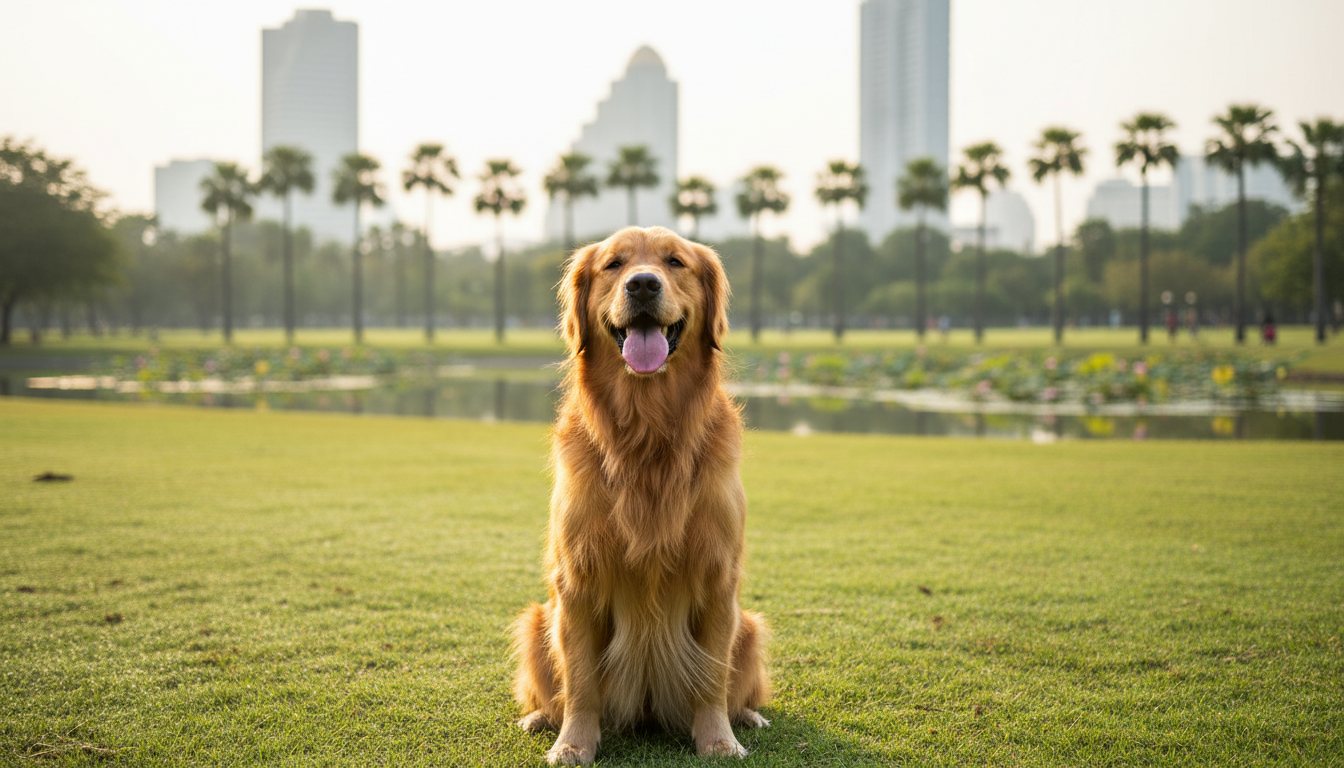
Chasing the Thai Golden Hour
Because Thailand sits close to the equator, the midday sun is incredibly harsh. It casts deep, unflattering shadows and makes your pet squint. More importantly, the midday heat is dangerous for dogs and cats, leading to rapid overheating and discomfort.
Always schedule your outdoor photo sessions during the golden hours. This refers to the first hour after sunrise (roughly 6:30 AM to 7:30 AM) and the last hour before sunset (around 5:00 PM to 6:00 PM). During these windows, the light is soft, warm, and golden. This beautiful light highlights your pet's fur texture without causing them to pant heavily or constantly seek shade. Early morning sessions are particularly great in places like Bangkok or Chonburi, as the air is cooler and popular walking spots are much quieter.
Optimizing Your Smartphone Settings
You do not need an expensive DSLR camera to get professional-looking results; your smartphone is highly capable if you know which settings to toggle.
- Use Portrait Mode with caution: This mode creates a beautiful blurred background (bokeh), making your pet stand out. However, it can sometimes struggle with fine whiskers or fluffy ears. If the edges look unnatural, switch back to standard photo mode and get physically closer to your pet instead.
- Master Burst Mode: Pets are constantly moving. Hold down your shutter button (or swipe it, depending on your phone model) to take a rapid succession of shots. This increases your chances of catching that perfect split-second moment when their ears are perked and their eyes are bright.
- Adjust and Lock Exposure: Tap on your pet’s face on your screen, then slide the little sun icon down slightly. This prevents the bright tropical sky from washing out the image and ensures your pet's features are properly exposed.
The Art of Treats, Toys, and Patience
The secret to great pet photography is not technical skill—it is cooperation. Pets do not understand what a camera is, and a big black rectangle pointed at their face can actually feel intimidating to some dogs and cats.
- Keep sessions short and fun: Work in five-minute bursts. If your pet gets distracted or starts showing signs of stress (like lip-licking, yawning, or panting), stop immediately and try again later.
- Position treats near the lens: Hold a favorite treat or a squeaky toy directly above your phone's camera lens. This guides their gaze right into the camera, creating the illusion of direct eye contact with the viewer.
- Bring high-value rewards: In hot weather, pets tire quickly. Use small, highly aromatic treats to keep their focus. Always have fresh water and a shaded spot nearby to keep them comfortable.
Choosing the Right Backgrounds
Thailand's urban and natural landscapes offer incredible variety, but a busy background can easily distract from your pet. When choosing a location, look for contrast and simplicity.
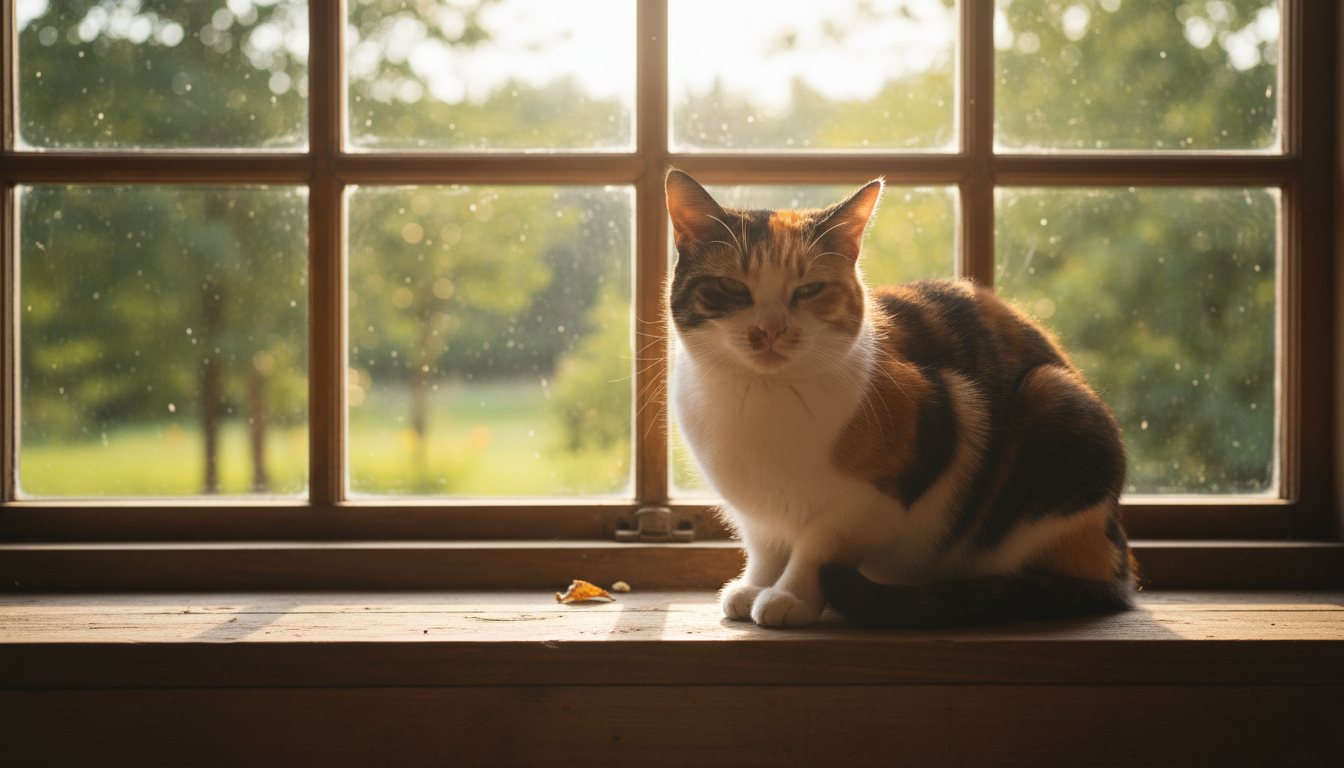
If you have a dark-furred pet, avoid placing them against dark foliage or shadowed walls, as they will disappear into the background. Instead, look for lighter backdrops like pale concrete, sandy beaches, or brightly painted walls. For light-colored pets, a lush green lawn or a rich wooden deck works beautifully.
If you are shooting in a bustling city like Bangkok, watch out for distracting background elements like tangled overhead wires, parked motorbikes, or trash bins. Lower your physical perspective by kneeling or lying down on the ground so you are at eye level with your pet. This simple change in angle instantly makes the background look more dramatic and puts the focus entirely on your pet's expressions.
When to Call in a Professional
While daily snapshots are wonderful for sharing on social media, there are times when investing in a professional pet photographer is highly rewarding. If you want high-resolution images suitable for large-format printing, or if you want to capture a major milestone like a puppy's first year or a senior pet’s golden years, a professional has the specialized equipment and patience required.
Professional pet photographers understand animal behavior and know how to work with anxious or highly energetic animals that refuse to sit still for a phone. When hiring a professional in Thailand, look for someone who specializes specifically in animals rather than general portraits, as they will have the necessary experience to keep your pet safe, calm, and happy throughout the shoot.
This guide is general information, not veterinary or legal advice. Rules, fees and requirements change: check with your vet or the relevant authority before you act.
Written by
Boba
Part of the Wagdee community of pet lovers in Thailand.
Keep reading
 Luxury & lifestyle
12 July 2026 · 4 min read
Thailand's Most Luxurious Pet-Friendly Resorts
Discover Thailand's finest five-star resorts that welcome dogs and cats. From Bangkok's riverside to private pool villas, here is how to travel in style with your pet.
 Luxury & lifestyle
8 July 2026 · 4 min read
Pet Spa Days: Grooming and Pampering Your Pet in Bangkok
Keep your dog or cat cool, clean, and stress-free in Thailand's tropical climate with our ultimate guide to Bangkok's best pet spas and grooming tips.
 Luxury & lifestyle
4 July 2026 · 5 min read
Thai Craftsmanship Meets Pet Fashion: Safe, Stylish Accessories
Discover how Thai artisans are blending traditional crafts with modern pet fashion, and learn how to choose climate-safe materials like cotton and rattan for your pet.