

 ไทย
ไทย Français
 Русский
 Deutsch
 Español
 中文
中文 한국어
한국어 日本語
日本語Thai Craftsmanship Meets Pet Fashion: Safe, Stylish Accessories
Discover how Thai artisans are blending traditional crafts with modern pet fashion, and learn how to choose climate-safe materials like cotton and rattan for your pet.
Boba
4 July 2026 · 5 min read
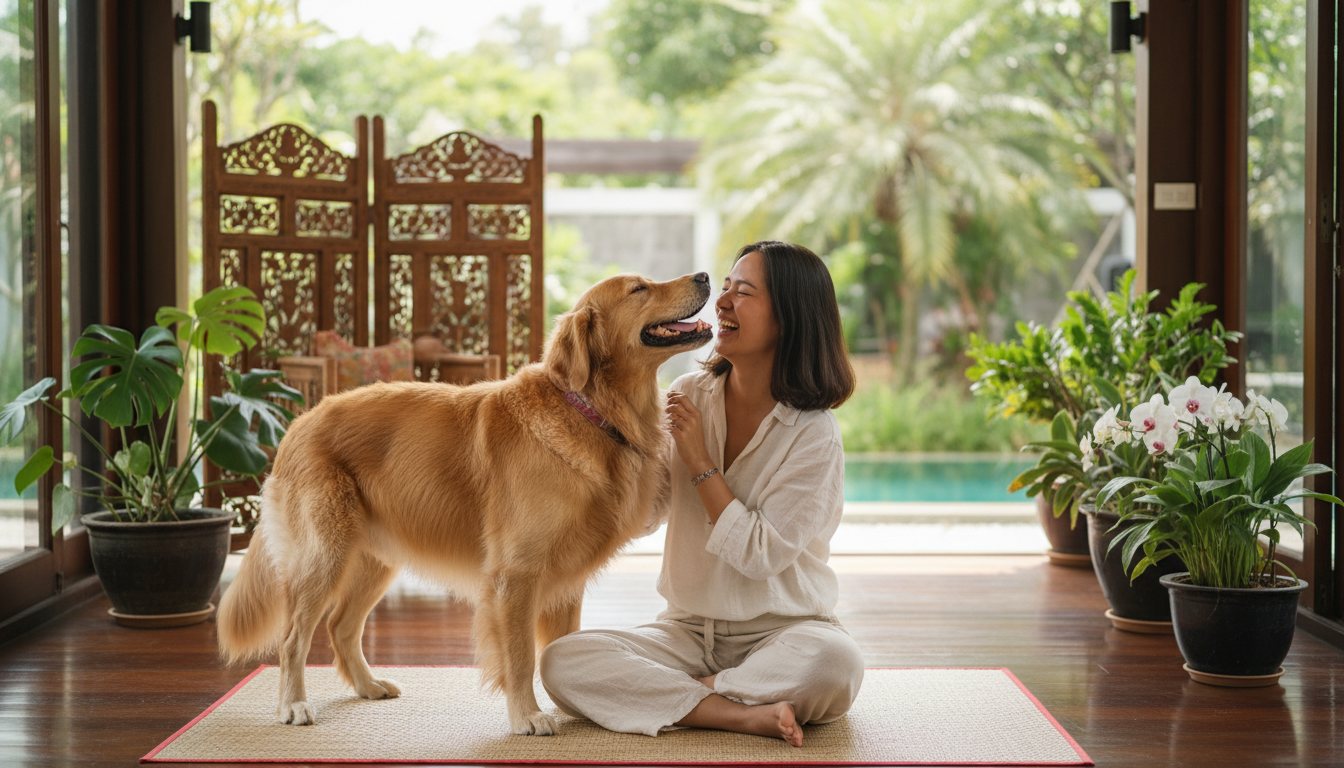
Pet ownership in Thailand has undergone a beautiful transformation. No longer just backyard guards or community mousers, our dogs and cats are now cherished family members who share our living spaces, our cafes, and even our fashion sense. In bustling urban hubs like Bangkok and creative sanctuaries like Chiang Mai, this deep bond has sparked an exciting design movement. Local artisans are marrying traditional Thai craftsmanship with modern pet fashion, creating stunning pieces that look gorgeous in your home and on your pet. However, dressing a pet in a tropical climate requires more than just an eye for style. It demands a careful balance of aesthetics, comfort, and safety.
The Rise of Thai Pet Craftsmanship
In recent years, there has been a significant shift away from mass-produced plastic pet accessories toward thoughtful, handmade goods. Thai designers are drawing inspiration from the country's rich artisanal heritage, utilizing skills passed down through generations to create pet-friendly items. This movement is about more than just looking good; it is about supporting local communities, preserving traditional crafting techniques, and choosing sustainable materials.
From hand-loomed cotton textiles from the North to masterfully woven rattan from southern provinces, these products bring a touch of natural elegance into our homes. Instead of bright, garish synthetic pet gear clashing with your interior design, handcrafted Thai pet accessories blend seamlessly with modern home aesthetics. They offer a sophisticated, organic look that honors local culture while keeping your furry friend comfortable.
Breathable Fabrics for the Tropical Heat
When selecting clothing or neckwear for your pet in Thailand, the climate must be your primary consideration. With year-round high temperatures and intense humidity, pets can easily overheat. Dogs and cats do not sweat the way humans do; they rely on panting and releasing heat through their paw pads to stay cool. Wrapping them in heavy, synthetic fabrics can trap heat against their bodies, leading to discomfort, skin rashes, or even life-threatening heatstroke.
- Hand-Loomed Cotton: This is the gold standard for Thai pet fashion. Sourced often from Northern Thailand, local cotton is incredibly breathable, soft on the skin, and highly absorbent. A simple, lightweight cotton bandana dipped in cool water can actually help lower your dog's body temperature during a midday walk.
- Natural Linen: Known for its loose weave, linen allows maximum airflow. It dries incredibly quickly, which is a major advantage during the damp monsoon season when wet fabrics can easily harbor bacteria.
- Thai Silk: For special occasions like weddings, family gatherings, or traditional festivals, a touch of Thai silk looks spectacular. However, because silk is delicate and less breathable than cotton, it should only be worn indoors in air-conditioned spaces for short periods.
Always ensure that any bandana, collar, or shirt fits loosely. You should easily be able to slip two fingers between the fabric and your pet’s neck. If your pet pants excessively, scratches at the fabric, or seems lethargic, remove the accessory immediately and offer them fresh water.
Rattan and Clay: Natural Home Comforts
The craftsmanship trend extends far beyond wearable fashion. Two of the most popular materials making a comeback in Thai pet homes are rattan and ceramic clay. Both materials are highly functional, durable, and perfectly suited to the local environment.
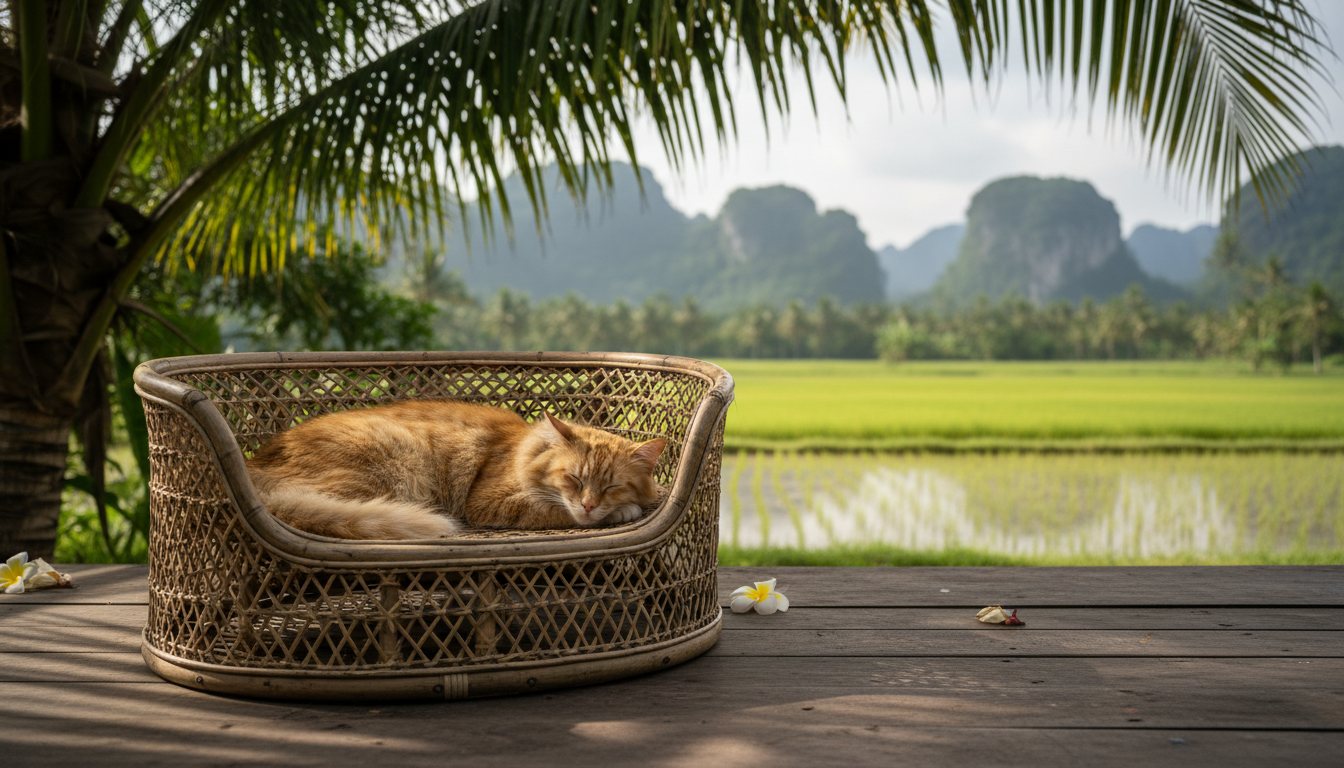
Rattan has been used in Thai furniture making for centuries due to its flexibility and strength. A rattan pet bed is an excellent alternative to heavy, plush cushions. While plush beds tend to trap body heat and moisture—creating a breeding ground for yeast and fleas—rattan’s open-lattice design allows air to circulate freely beneath and around your pet. This natural ventilation keeps your dog or cat cool and dry, even on sticky afternoon days.
Similarly, handmade ceramic bowls from regions like Lampang offer a practical upgrade from plastic dishes. Heavy ceramic bowls are difficult for enthusiastic eaters to tip over. Furthermore, high-quality clay has natural insulating properties, helping to keep your pet's drinking water slightly cooler than plastic or metal bowls left at room temperature.
Where to Find Premium Handcrafted Pet Wear
If you are looking to curate a stylish, climate-safe wardrobe and home setup for your pet, Bangkok boasts several excellent boutiques. Shopping locally allows you to feel the fabrics, check the weight of the ceramics, and ensure the sizing is exactly right for your pet's breed.
A wonderful place to start your search is Pet's Concept, located in the vibrant Din Daeng, Phayathai, and Ratchathewi area of Bangkok. This specialized pet store curates a beautiful selection of high-quality pet lifestyle products, accessories, and essentials that cater to discerning pet owners who appreciate both design and functionality.

Safety First: Choosing the Right Materials
While artisan-made products are beautiful, safety must always come first. When shopping for handmade pet accessories, keep the following safety guidelines in mind:
- Non-Toxic Glazes: Ensure that any ceramic food or water bowls use food-safe, lead-free glazes. Some decorative ceramics meant purely for home decor may contain heavy metals that can leach into your pet's food or water.
- Secure Hardware: For collars and harnesses, look for heavy-duty brass, stainless steel, or high-grade plastic buckles. Decorative weaving is lovely, but the structural points of the collar must be strong enough to withstand sudden pulls, especially if you have a large or energetic dog.
- No Loose Embellishments: Avoid accessories decorated with small beads, sequins, or long tassels. Dogs and cats are naturally curious and may chew these off, presenting a serious choking hazard or causing intestinal blockages if swallowed.
- Dye Fastness: High-quality handmade textiles should use safe, colorfast dyes. If a brightly colored collar gets wet in a sudden tropical downpour, you do not want the dye bleeding onto your pet’s fur or skin, which could trigger allergic dermatitis.
If you ever notice your pet developing red skin, hair loss, or constant scratching after wearing a new accessory, remove it immediately. For persistent skin irritation, always consult a qualified veterinarian to rule out contact allergies or infections.
Caring for Handcrafted Pet Gear
To ensure your beautiful Thai-crafted pet accessories last for years, they require proper maintenance, especially during Thailand's high-humidity months.
Wash cotton and linen bandanas by hand using a mild, pet-safe, unscented detergent. Avoid harsh chemical bleaches that can break down natural fibers. Hang them to dry in a well-ventilated, sunny spot. The natural UV rays from the Thai sun act as a mild disinfectant, helping to kill off any lingering bacteria or fungal spores.
For rattan beds, avoid soaking them in water. Instead, wipe them down weekly with a slightly damp microfiber cloth to remove dust and pet hair. During the rainy season, inspect the crevices of the rattan regularly for any signs of mildew. If you spot mold, wipe it away with a mixture of water and gentle white vinegar, then let the bed dry completely in the sun or in an air-conditioned room. By taking these simple steps, you can keep your home looking stylish and your pet healthy, safe, and comfortable all year round.
This guide is general information, not veterinary or legal advice. Rules, fees and requirements change: check with your vet or the relevant authority before you act.
Written by
Boba
Part of the Wagdee community of pet lovers in Thailand.
Keep reading
 Luxury & lifestyle
12 July 2026 · 4 min read
Thailand's Most Luxurious Pet-Friendly Resorts
Discover Thailand's finest five-star resorts that welcome dogs and cats. From Bangkok's riverside to private pool villas, here is how to travel in style with your pet.
 Luxury & lifestyle
8 July 2026 · 4 min read
Pet Spa Days: Grooming and Pampering Your Pet in Bangkok
Keep your dog or cat cool, clean, and stress-free in Thailand's tropical climate with our ultimate guide to Bangkok's best pet spas and grooming tips.
 Luxury & lifestyle
30 June 2026 · 5 min read
A Villa Holiday with Your Dog on Koh Samui and Koh Phangan
Planning a tropical getaway to the Gulf of Thailand with your dog? Discover ferry logistics, pet-friendly villa etiquette, beach safety tips, and veterinary resources for Samui and Phangan.