

 ไทย
ไทย Français
 Русский
 Deutsch
 Español
 中文
中文 한국어
한국어 日本語
日本語Vaccination Schedules for Puppies and Kittens in Thailand
Protect your new pet from tropical diseases. Learn about core vaccine schedules, safe socialisation, and record keeping for puppies and kittens in Thailand.
Boba
28 March 2026 · 5 min read
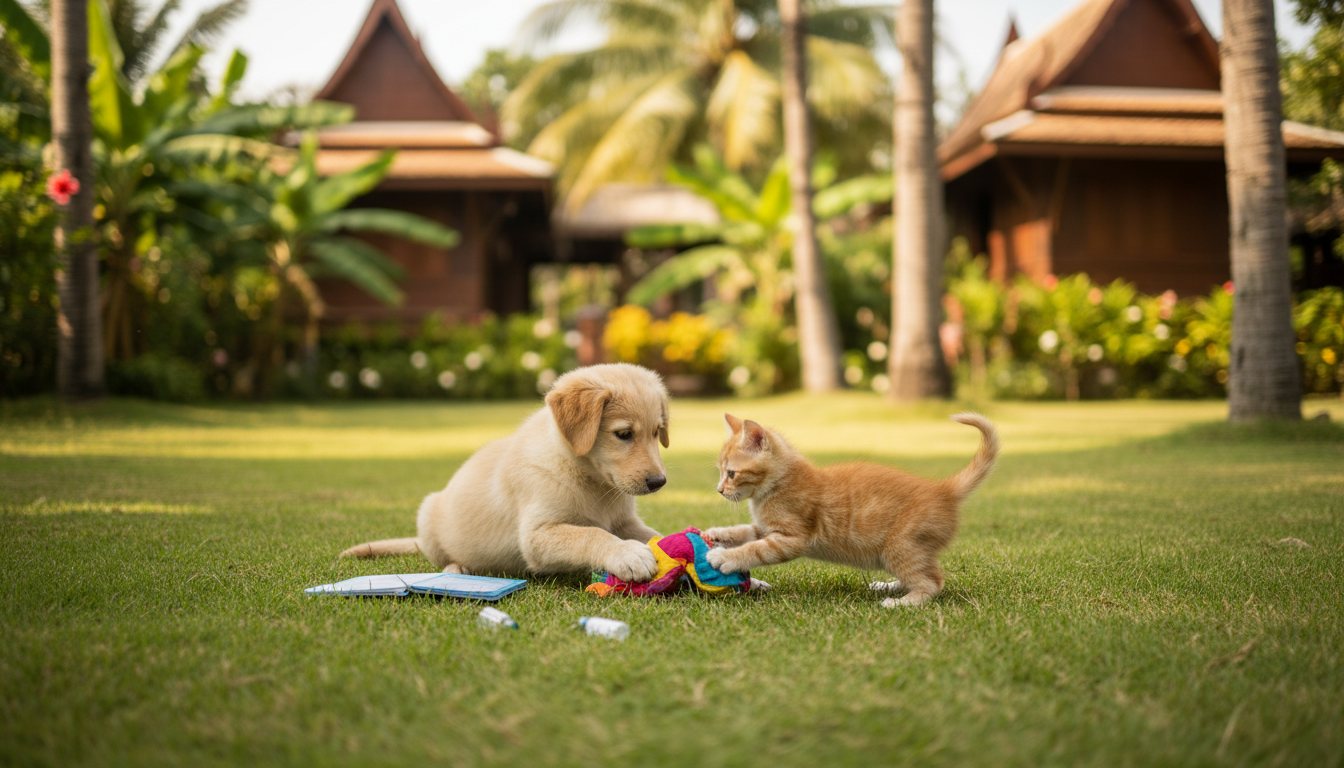
Bringing a new puppy or kitten into your home is one of the most exciting milestones for any pet owner in Thailand. Whether you are navigating the bustling streets of Bangkok, enjoying the quieter hills of Chiang Mai, or settling down in a coastal town, your new companion brings endless joy. However, our beautiful tropical climate, warm weather, and vibrant outdoor life also mean that local pets are exposed to various tropical diseases and parasites year-round. Protecting your young pet starts with a clear, well-timed vaccination plan.
Why Thailand's Environment Demands Early Protection
In Thailand, the warm temperatures and high humidity create an ideal environment for viruses and bacteria to thrive. Unlike colder climates where winter provides a natural break in insect and pathogen life cycles, Thailand's tropical seasons—especially the wet monsoon months—keep disease risks constant.
Furthermore, our neighborhoods often feature active communities of community dogs and cats. While many of these street animals are cared for by local residents, they can still act as vectors for highly contagious diseases. Puppies and kittens have immature immune systems, making them highly susceptible to illnesses like parvo or distemper. Starting their shots at the right time is the single most effective way to ensure they grow into healthy adults.

Core Vaccines for Your Thai Puppy
For puppies, veterinarians in Thailand generally recommend a series of combination shots starting around six to eight weeks of age. These core vaccines protect against several severe and often fatal diseases.
- DHPPi Combination: This crucial vaccine protects against Canine Distemper, Hepatitis, Parvovirus, and Parainfluenza. Because parvovirus is highly resilient in warm, humid soil, this vaccine is absolutely essential for young dogs in Thailand.
- Rabies: Rabies is a zoonotic disease (transmissible to humans) and is a significant public health focus in Southeast Asia. Under Thai law, rabies vaccination is mandatory for domestic pets. Your vet will typically administer this when your puppy is around twelve weeks old.
- Leptospirosis: While sometimes classified as non-core in other regions, leptospirosis is highly recommended in Thailand due to frequent flooding during the monsoon season. The bacteria are spread through the urine of infected rodents, which mixes with standing floodwater on city streets and soi pathways.
Your veterinarian will space these initial doses out over three to four visits, ending around sixteen weeks of age, to ensure your puppy's immune system responds fully.
Core Vaccines for Your Thai Kitten
Kittens require a similarly structured defense system to protect them from common feline viruses. Even if your kitten is planned to be an indoor-only pet, viruses can easily be brought inside on your shoes or clothes.
- Feline FVRCP Combination: This vaccine covers Feline Viral Rhinotracheitis (herpesvirus), Calicivirus, and Panleukopenia (feline distemper). Feline distemper is incredibly contagious and can survive on surfaces for months, making early immunization vital.
- Rabies: Just like puppies, kittens must receive their rabies vaccination by law in Thailand. This is typically given around twelve weeks of age.
- Feline Leukemia Virus (FeLV): This is highly recommended for kittens in Thailand, especially if they might have any contact with outdoor cats. Your vet will likely recommend a quick blood test to ensure your kitten is FeLV-negative before administering this vaccine.
The Importance of the Vaccine Record Book
During your first veterinary visit, your clinic will issue a physical health booklet, often referred to as a pet passport or vaccine record book. This little book is one of the most important documents your pet will own.
Every time your pet receives a vaccine, the vet will place a sticker from the vaccine vial into the book, write the date, and sign or stamp it. This book is essential for:
- Boarding and Grooming: Reputable pet hotels and grooming salons in Bangkok and other major cities will refuse entry without proof of up-to-date vaccinations.
- Domestic and International Travel: If you plan to fly with your pet within Thailand or relocate abroad, airlines and government agencies like the Department of Livestock Development (DLD) will require this official record.
- Emergency Care: If you need to visit an emergency clinic, having this book helps the attending vet make quick, informed decisions.
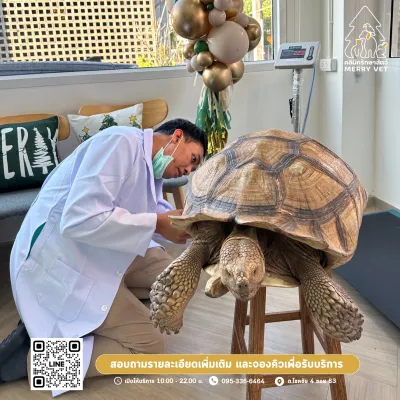
For pet owners living in the northern suburbs of Bangkok, establishing a relationship with a reliable local clinic is key to keeping these records flawless. Facilities like Merry Vet Clinic offer comprehensive wellness checks and structured vaccination packages tailored to your pet's lifestyle.

Socialising Safely During the Vaccine Window
A common dilemma for pet owners is how to socialise a puppy or kitten while they are still undergoing their initial vaccine series. The socialization window closes early, yet taking an unvaccinated puppy to a public park in Bangkok or Chiang Mai carries a high risk of disease exposure.
To balance safety and social growth, consider these strategies:
- Avoid Public Ground: Do not let your puppy walk on public grass, sidewalks, or areas where unknown dogs congregate until at least two weeks after their final booster.
- Host Private Playdates: Arrange playdates only with fully vaccinated, healthy dogs owned by friends, preferably in a private, enclosed yard.
- Carry Your Pet: Take your puppy or kitten out in a pet stroller, carrier, or in your arms to experience the sights, sounds, and smells of Thai city life without touching the ground.
- Controlled Indoor Environments: Let your pet get used to household noises, different textures, and various visitors in the safety of your home.
Maintaining Immunity with Annual Boosters
Vaccinations do not provide lifetime immunity. To keep your pet protected throughout their adult life, they will need regular booster shots.
Typically, your vet will recommend a booster one year after the initial puppy or kitten series is completed. After that, some vaccines may be administered annually, while others might be spaced out every three years depending on your pet's lifestyle, local risk factors, and the specific guidelines of the Department of Livestock Development.
Always consult your veterinarian to customize a schedule that fits your pet's specific environment, whether they are a pampered indoor cat in a high-rise Bangkok condo or an active dog exploring rural trails.
This guide is general information, not veterinary or legal advice. Rules, fees and requirements change: check with your vet or the relevant authority before you act.
Written by
Boba
Part of the Wagdee community of pet lovers in Thailand.
Keep reading
 Health & care
28 September 2026 · 4 min read
Rabies in Thailand: What Every Pet Owner Should Know
Protect your dog or cat from rabies in Thailand. Learn about annual boosters, emergency steps for animal bites, and keeping your pet's vaccination records up to date.
 Health & care
24 September 2026 · 5 min read
Heatstroke in Dogs: Spotting the Signs in a Thai Summer
As Thailand's hot season peaks, learn how to protect your dog from heatstroke, recognize the early warning signs, and take immediate life-saving action.
 Health & care
20 September 2026 · 4 min read
Ticks, Fleas, and Blood Parasites in Thailand: A Year-Round Guide
Protect your pets from Thailand's year-round tick and flea threat. Learn how to prevent blood parasites, spot early warning signs, and keep your home pest-free.