

 ไทย
ไทย Français
 Русский
 Deutsch
 Español
 中文
中文 한국어
한국어 日本語
日本語Taking Your Cat Out in Thailand: Strollers, Harnesses, and Spots
Discover how to safely explore Thailand with your cat. Learn about choosing strollers, harness training, managing tropical heat, and finding cat-friendly spaces.
Yuki Tanaka
5 April 2026 · 5 min read
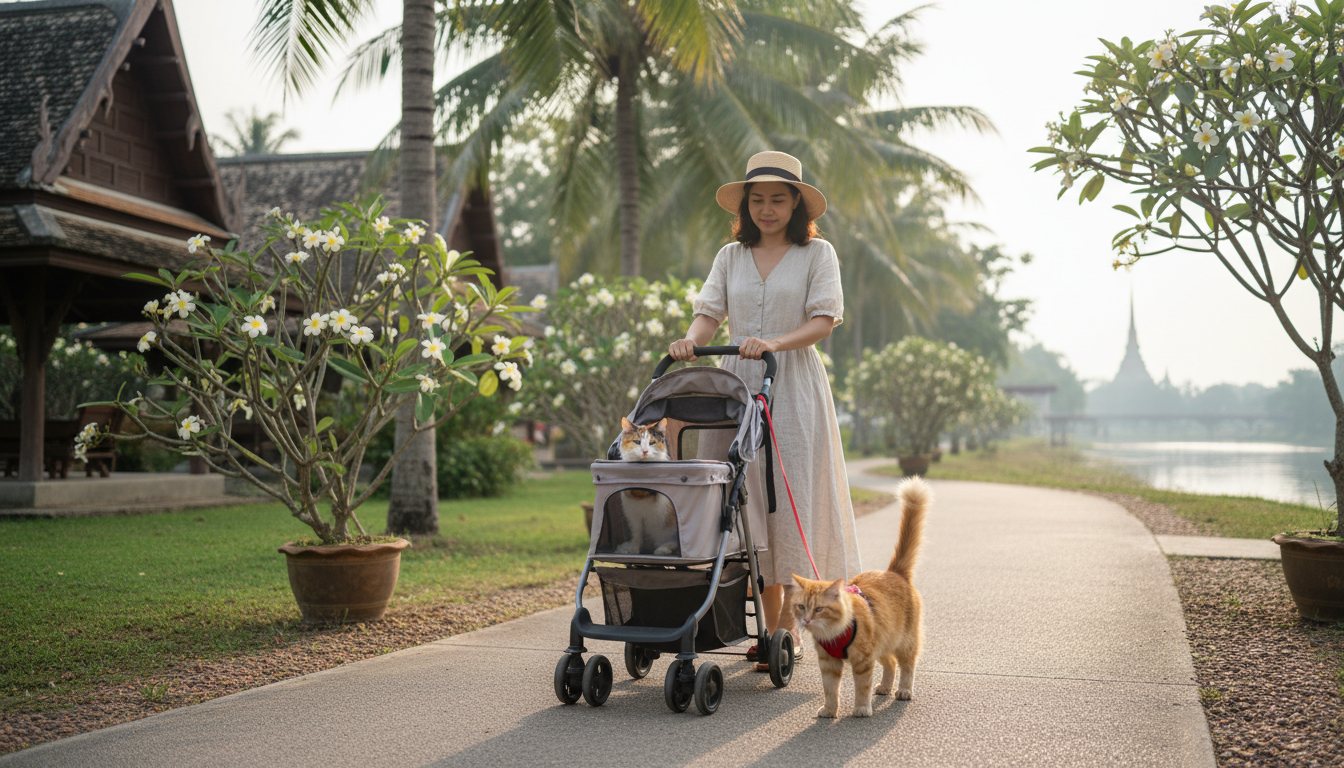
While dogs are the traditional co-pilots for outdoor adventures, a growing number of cat owners in Thailand are choosing to share the outside world with their feline companions. From the leafy lanes of Chiang Mai to the bustling community malls of Bangkok, seeing a cat peering out from a stroller or walking cautiously on a leash is becoming a common sight. However, cats are territorial, sensitive creatures. Navigating Thailand's unique environment—with its intense tropical climate, busy streets, and local wildlife—requires careful preparation, the right gear, and a deep understanding of your cat's comfort levels.
Choosing the Right Gear: Strollers vs. Backpacks
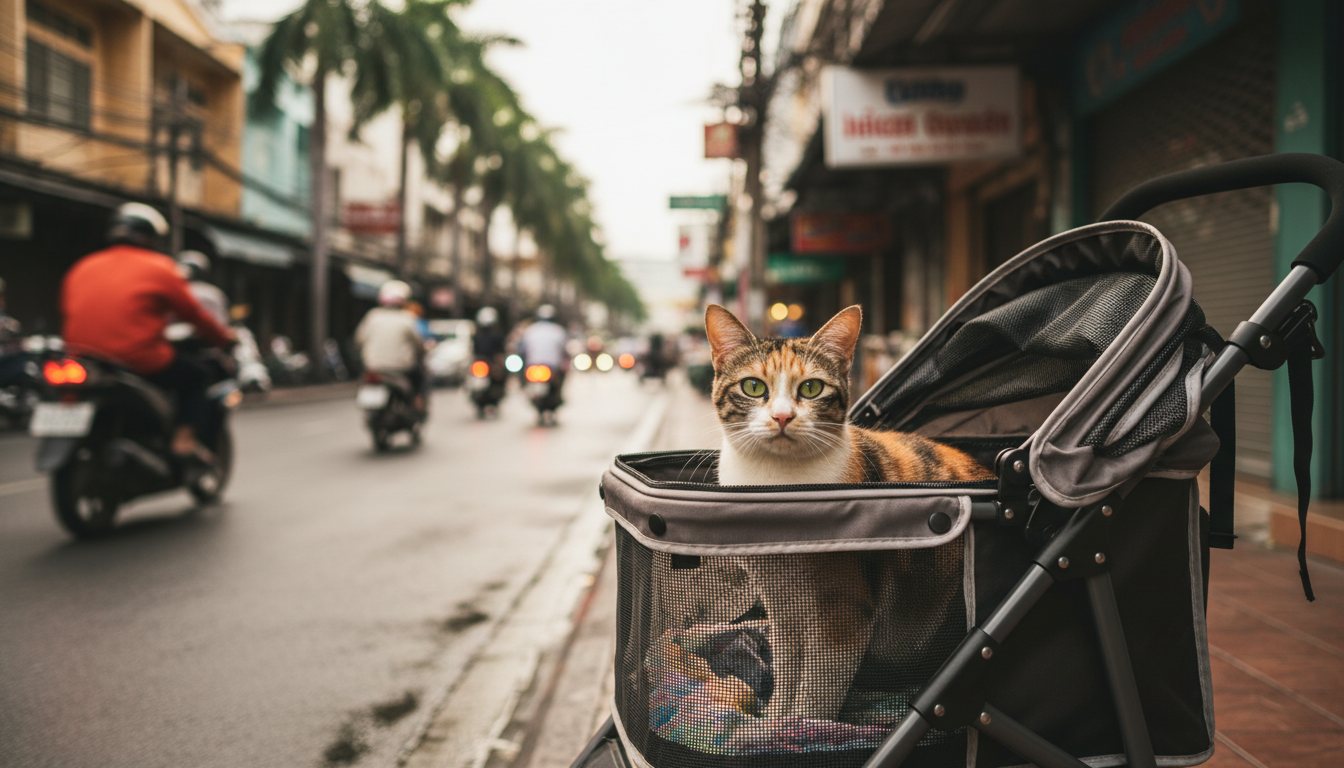
When it comes to transporting your cat safely in public, your choice of gear can make or break the experience. The tropical climate of Thailand, where temperatures regularly soar above 35 degrees Celsius, means ventilation is your absolute top priority.
Cat strollers are highly recommended for urban outings in Thailand. They provide a stable, shaded environment with plenty of airflow through mesh panels. A stroller also acts as a physical barrier against stray dogs (soi dogs) and sudden street hazards. When choosing a stroller, look for sturdy wheels that can handle uneven Thai pavements and a fully zipper-secured cabin so your cat cannot make a sudden escape.
Space-capsule backpacks with clear plastic windows are popular, but they are generally unsuitable for the Thai heat. These plastic bubbles can quickly act like greenhouses, trapping heat and putting your cat at risk of heatstroke. If you prefer a backpack, opt for a fully mesh, expandable fabric design, and limit its use to air-conditioned indoor spaces or very short transitions from your car to a venue.
Harness Training for the Thai Outdoors
If you dream of your cat walking beside you in a quiet park, harness training is essential. This process must begin indoors, weeks before you ever open the front door.
Start by choosing a high-quality, escape-proof harness. An H-style harness or a lightweight vest harness made of breathable mesh is ideal for the local climate. Avoid heavy fabrics that trap heat. Let your cat sniff the harness, reward them with treats, and gradually practice wearing it inside the house for short periods.
Once your cat is comfortable walking indoors with the leash attached, you can transition to quiet outdoor spaces. Keep in mind that Thai streets are full of unpredictable triggers: loud motorbikes, street food carts, and sudden downpours during the monsoon season. Never force your cat to walk on a leash if they show signs of fear. Always have a secure carrier or stroller nearby so they have an immediate safe haven to retreat to if they feel overwhelmed.
Before taking your cat outside, consult your veterinarian to ensure they are fully vaccinated and up to date on flea, tick, and heartworm prevention. The warm, humid climate of Thailand means parasites are active year-round, and outdoor cats are at a much higher risk of exposure.
Beating the Thai Heat and Managing Stress
Heatstroke is a silent and rapid threat to cats in Thailand. Unlike humans, cats do not sweat to cool down; they rely on grooming and panting, and panting in cats is often a sign of severe distress or dangerous overheating.
To keep your cat safe, avoid taking them out during the hottest hours of the day, typically between 11:00 AM and 4:00 PM. Stick to early mornings or late afternoons when the air is cooler and the concrete is not hot enough to burn sensitive paw pads. Always pack a portable water bowl and a bottle of fresh water. You can also place ice packs wrapped in towels inside their stroller to help keep the ambient temperature down.
Managing psychological stress is just as important as managing physical heat. Watch your cat's body language closely. Dilated pupils, a low-slung body, a twitching tail, and pinned-back ears are clear signs that your cat has had enough. If your cat begins to pant, find an air-conditioned space immediately, offer water, and contact a veterinarian if they do not cool down quickly.
Cat-Friendly Spots and Accommodations
Finding the right destinations makes outdoor adventures enjoyable for both of you. Many open-air community malls in Bangkok and larger cities allow pets in strollers or carriers. These spaces often feature shaded walkways and pet-friendly outdoor seating at cafes where you can enjoy a drink while your cat watches the world go by from their secure enclosure.
If you are traveling across provinces or need a dedicated, stress-free space for your cat to stay while you explore, Thailand offers excellent specialized accommodations. For those in the capital, Buttercup Cat Hotel in the Khlong Toei and Watthana area provides a premium, quiet environment designed specifically to keep feline stress levels to an absolute minimum.
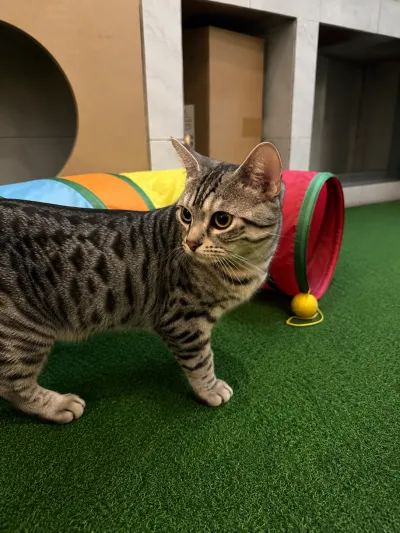
If you find yourself in the north, the cooler climate of Chiang Mai is highly appealing for pet owners. Places like Charconar Cat Hotel & Home Coffee in Don Kaeo combine a cozy, dedicated cat boarding facility with a relaxed cafe atmosphere, allowing you to enjoy a coffee while knowing your pet is in a safe, cat-centric space.
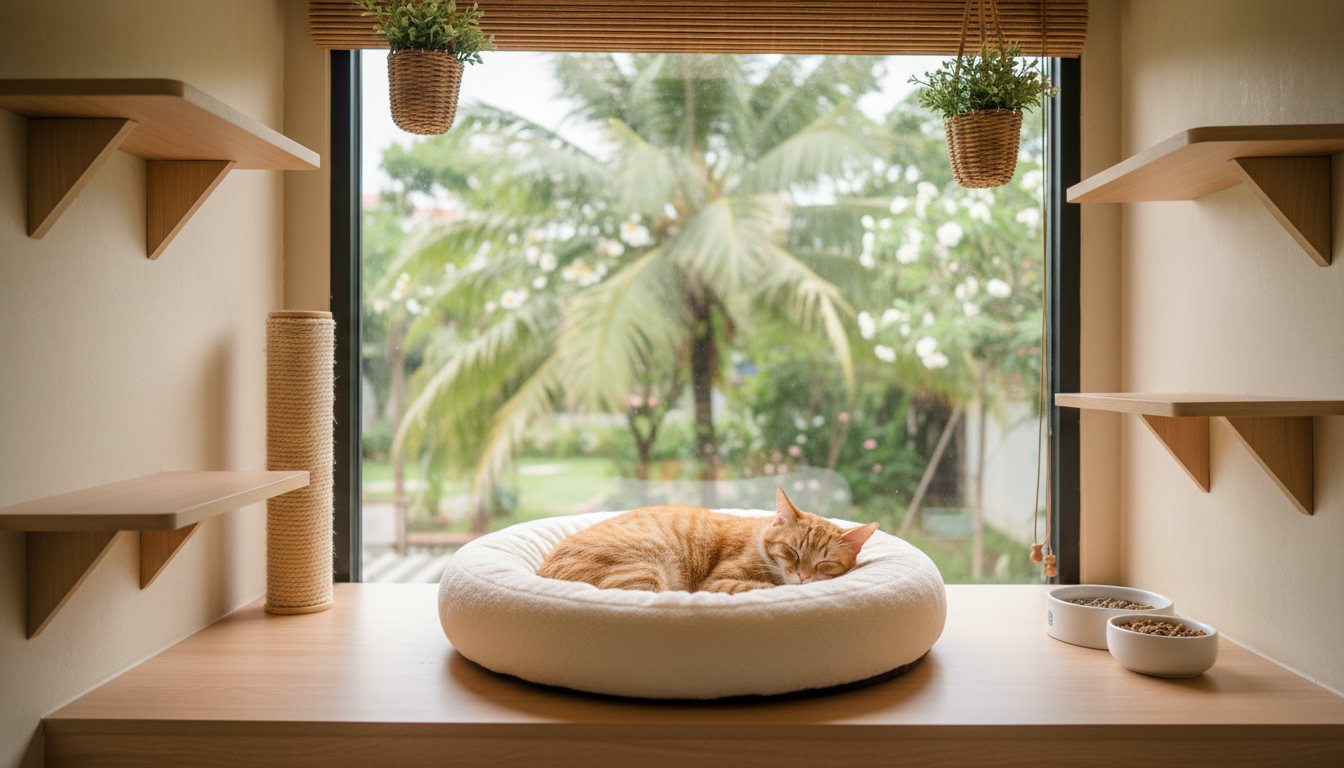
Socializing at Pet Events
For well-adjusted cats that do not mind crowds, pet exhibitions can be a fun way to discover new products, meet fellow owners, and find specialized gear like imported strollers and organic treats.
An excellent event to mark on your calendar is the 3rd Thailand Cat Lovers Fair 2027, scheduled to run from February 25 to February 28, 2027. This fair is a major gathering point for the local feline community, offering a great opportunity to speak with veterinary experts, browse cat-specific vendors, and learn more about feline welfare in Thailand.

Remember that crowded events can be overwhelming for many cats. Always put your pet's temperament first. If your cat prefers the quiet comfort of home, it is always best to leave them there and bring back some treats and toys from the fair as a souvenir of your solo adventure.
This guide is general information, not veterinary or legal advice. Rules, fees and requirements change: check with your vet or the relevant authority before you act.
Written by
Yuki Tanaka
Part of the Wagdee community of pet lovers in Thailand.
Keep reading
 Pets in Thailand
2 October 2026 · 4 min read
Moving to Thailand with Your Pet: A Step-by-Step Guide
Planning a move to Thailand with your dog or cat? Learn the step-by-step process for a smooth relocation, from microchips and DLD permits to arrival tips.
 Pets in Thailand
24 May 2026 · 4 min read
Bangkok's Best Dog Parks: A Guide to Play and Community
Discover Bangkok's top dog parks, essential hot-weather safety tips, local park etiquette, and an exciting upcoming community event for pet owners.
 Pets in Thailand
20 May 2026 · 4 min read
Condo Living with Pets in Bangkok: A Complete Guide
Navigating high-rise life with dogs and cats in Thailand's capital requires a mix of smart planning, safety measures, and neighborly respect.