

 ไทย
ไทย Français
 Русский
 Deutsch
 Español
 中文
中文 한국어
한국어 日本語
日本語Senior Pets in the Tropics: Comfort and Care in Thailand
Help your aging dog or cat thrive in Thailand's warm climate. Discover essential tips on managing heat, supporting stiff joints, and adjusting diets for senior pets.
Boba
30 August 2026 · 5 min read

Watching our beloved dogs and cats grow grey around the muzzle is a beautiful, bittersweet experience. In Thailand, where the tropical climate brings year-round warmth, high humidity, and intense monsoon seasons, caring for a senior pet requires a few unique adjustments. While young pets might bound through the heat with endless energy, older animals feel the physical toll of our climate much more acutely. Aging bodies struggle to regulate temperature, joints stiffen in the humid air, and energy levels naturally wane. Helping your senior companion navigate their golden years in the tropics is all about making small, thoughtful changes to their daily routine to ensure they stay cool, comfortable, and pain-free.
Mastering Temperature Control at Home
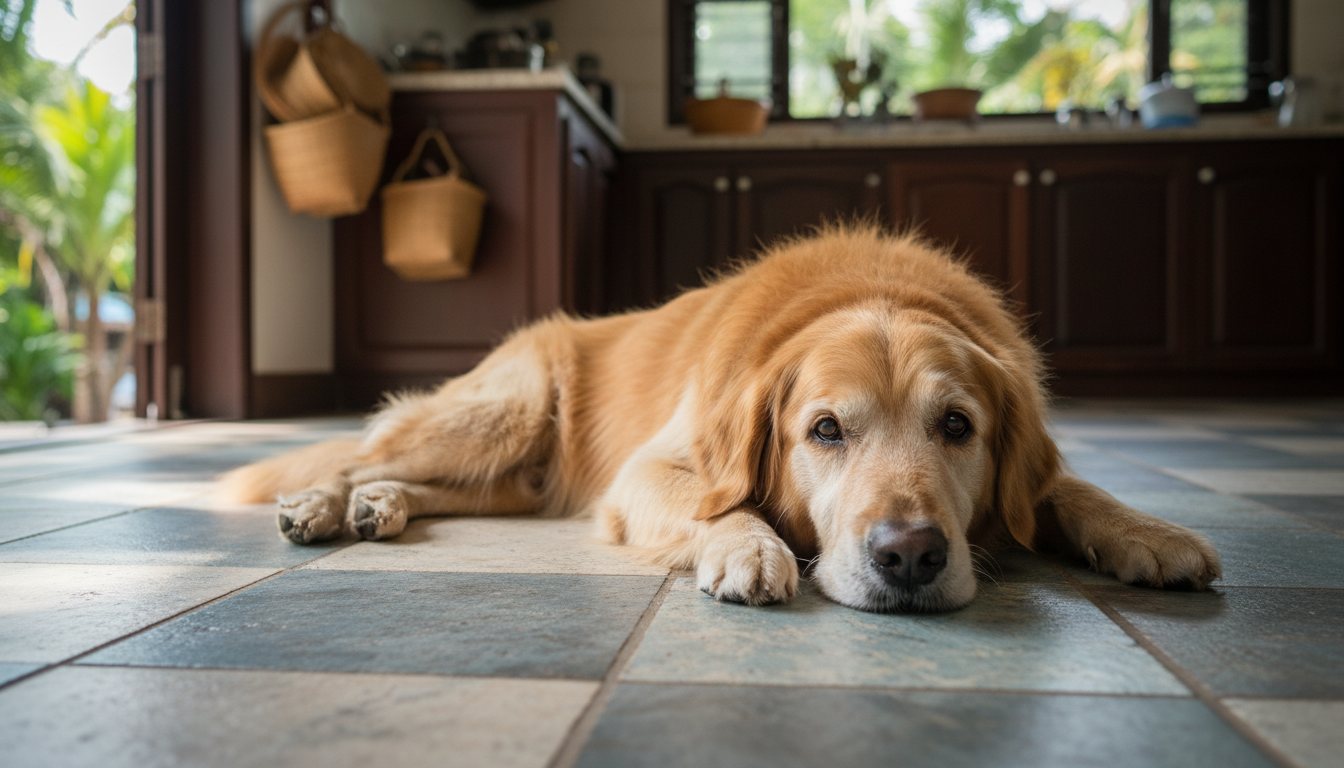
The Thai heat can be relentless, particularly during the hot season from March to May. For senior dogs and cats, prolonged exposure to high temperatures can lead to rapid dehydration, heat exhaustion, or heat stroke. Unlike younger pets, older animals often have compromised respiratory or cardiovascular systems, making it much harder for them to cool down naturally by panting.
Creating a sanctuary of cool zones in your home is essential. If you live in a traditional open-air house, ensure there is always a shaded, well-ventilated area with a strong fan circulating the air. For those living in modern city condos, keeping the air conditioning at a moderate, stable temperature (around 25 to 26 degrees Celsius) during the hottest hours of the day is highly beneficial.
- Tiled floors: Encourage your pet to rest on tiled or polished concrete floors, which naturally retain less heat than carpets or rugs.
- Cooling mats: Invest in pressure-activated gel cooling mats. Some senior cats and dogs love them, while others may need a thin towel placed over the top to feel secure.
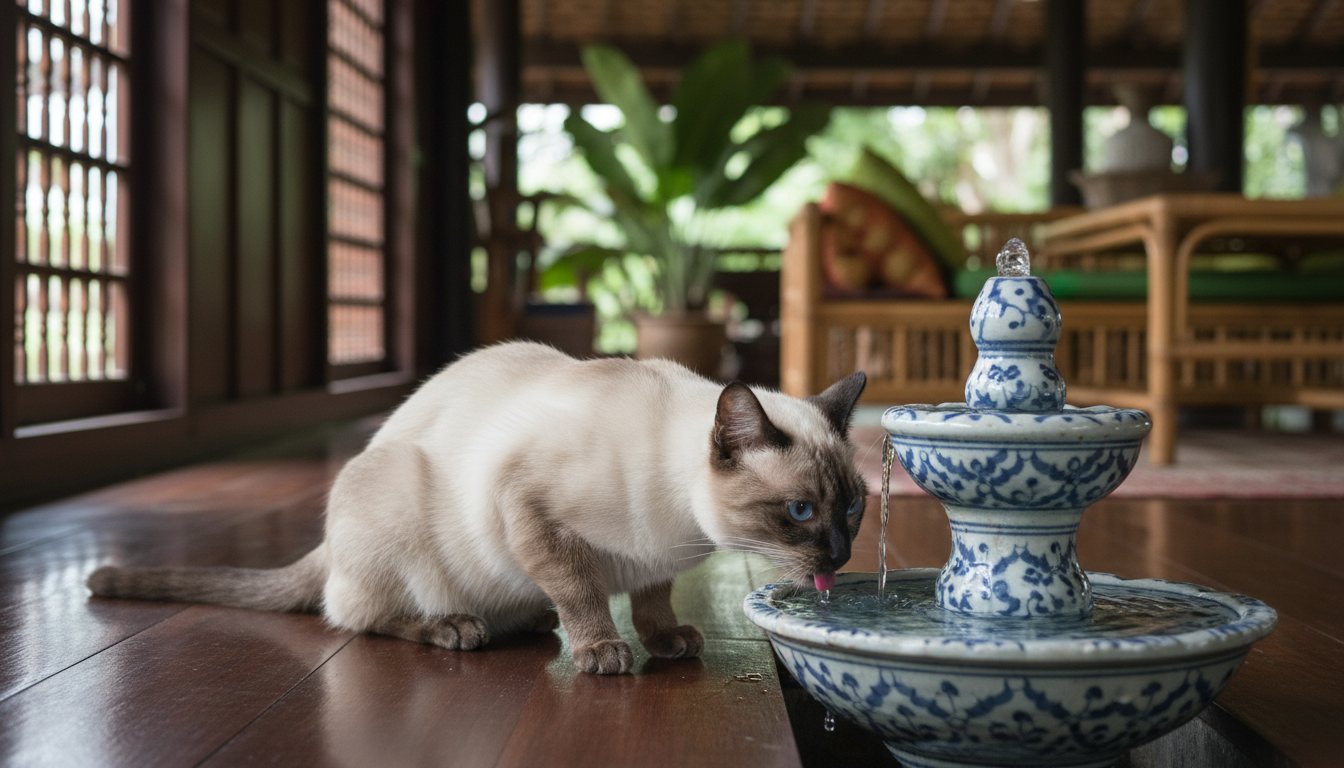
- Hydration stations: Place multiple water bowls around the house. Toss a few ice cubes into the water to keep it refreshing, or consider a pet water fountain, as the sound of running water often coaxes senior cats to drink more.
Adapting Walks and Exercise for Older Joints
Keeping your senior dog active is vital for their mental health and joint mobility, but the way you exercise them must change. The combination of high humidity and hard concrete pavements in Thai cities can be incredibly tough on aging joints and sensitive paw pads.
Shift your walking schedule to the coolest parts of the day: early morning before the sun fully rises, or late evening after sunset. Before stepping out, always perform the five-second touch test on the pavement. Place the back of your hand on the ground; if it is too hot to comfortable hold there for five seconds, it is too hot for your dog's paws.
Keep walks short, slow, and focused on sensory stimulation rather than physical exertion. Let your dog sniff the grass and take their time. If you notice your dog slowing down, panting excessively, or limping, it is time to head home. For senior cats, encourage gentle indoor play with soft toys or feather wands for just a few minutes at a time, ensuring they do not overexert themselves in the heat.
Supporting Mobility and Joint Health
Arthritis and joint stiffness are common in senior pets, and the high humidity of Thailand's rainy season can sometimes exacerbate these aches. You can make simple modifications around your home to help your pet move around without pain.
- Non-slip rugs: Place runner rugs or foam mats over slippery tiled or hardwood floors. Senior dogs often struggle to grip smooth surfaces, which can cause painful slips and joint strain.
- Pet ramps or steps: If your senior cat or dog is used to sleeping on the bed or sofa, provide a sturdy ramp or set of steps so they do not have to jump.
- Orthopedic bedding: A supportive memory foam bed helps distribute their weight evenly, relieving pressure on sore hips and elbows. Avoid placing beds directly in drafty areas of air conditioning, as cold drafts can make stiff joints feel worse.
If you suspect your pet is in pain—look out for subtle signs like hesitation before climbing stairs, reluctance to jump, or grooming a specific joint repeatedly—consult your veterinarian. They can recommend safe joint supplements or pain-relief options tailored to your pet's health profile.
Tailoring the Diet for Aging Bodies
As pets age, their metabolism slows down and they become less active, meaning they require fewer calories to maintain a healthy weight. Carrying extra weight puts immense pressure on already compromised joints and makes it harder for them to stay cool in the tropical heat.
Transitioning to a high-quality senior pet food formulated with easily digestible proteins and joint-supporting nutrients (like omega-3 fatty acids) can make a significant difference. Because older pets can sometimes lose their appetite in the heat, try offering smaller, more frequent meals throughout the day.
Adding wet food to their diet is an excellent way to increase their moisture intake, supporting kidney function which is a common concern for aging cats. Always consult your veterinarian before making major dietary changes or introducing supplements, as they can assess your pet’s blood work to ensure their kidneys and liver can process the new diet safely.
Consistent Veterinary Care and Health Screening
Preventative healthcare becomes your most powerful tool as your pet enters their senior years. While a young pet might only need an annual check-up, senior dogs and cats benefit greatly from bi-annual veterinary visits.
In Thailand, warm weather means year-round flea, tick, and mosquito activity. Senior pets often have weaker immune systems, making them more susceptible to vector-borne diseases like heartworm or tick fever. Maintaining a strict, vet-approved parasite prevention schedule is crucial.
During regular check-ups, your vet can perform routine blood tests, check organ function, monitor blood pressure, and assess dental health—which is highly linked to systemic health in older animals. Never attempt to self-diagnose or administer human pain medications to your pets, as many are highly toxic to animals. Your local veterinary clinic is your best resource for keeping your aging companion happy, comfortable, and thriving in the beautiful Thai climate.
This guide is general information, not veterinary or legal advice. Rules, fees and requirements change: check with your vet or the relevant authority before you act.
Written by
Boba
Part of the Wagdee community of pet lovers in Thailand.
Keep reading
 Health & care
28 September 2026 · 4 min read
Rabies in Thailand: What Every Pet Owner Should Know
Protect your dog or cat from rabies in Thailand. Learn about annual boosters, emergency steps for animal bites, and keeping your pet's vaccination records up to date.
 Health & care
24 September 2026 · 5 min read
Heatstroke in Dogs: Spotting the Signs in a Thai Summer
As Thailand's hot season peaks, learn how to protect your dog from heatstroke, recognize the early warning signs, and take immediate life-saving action.
 Health & care
20 September 2026 · 4 min read
Ticks, Fleas, and Blood Parasites in Thailand: A Year-Round Guide
Protect your pets from Thailand's year-round tick and flea threat. Learn how to prevent blood parasites, spot early warning signs, and keep your home pest-free.