

 ไทย
ไทย Français
 Русский
 Deutsch
 Español
 中文
中文 한국어
한국어 日本語
日本語Essential Pet First Aid: A Guide for Thai Households
Learn how to build a practical pet first-aid kit and handle common emergencies like heatstroke, cuts, and insect stings in Thailand's tropical climate.
Boba
3 September 2026 · 4 min read

Living in Thailand with pets is a joyful experience, whether you are walking your dog through a leafy Bangkok park or watching your cat lounge by a sunny window in Chiang Mai. However, our tropical climate, bustling streets, and unique environment also present specific hazards. From sudden heatwaves to encounters with local wildlife, emergencies can happen when we least expect them. Being prepared is the most important step in protecting your furry family members. Having a well-stocked first-aid kit and knowing how to react in the first few critical minutes can make a life-saving difference before you reach professional veterinary care.
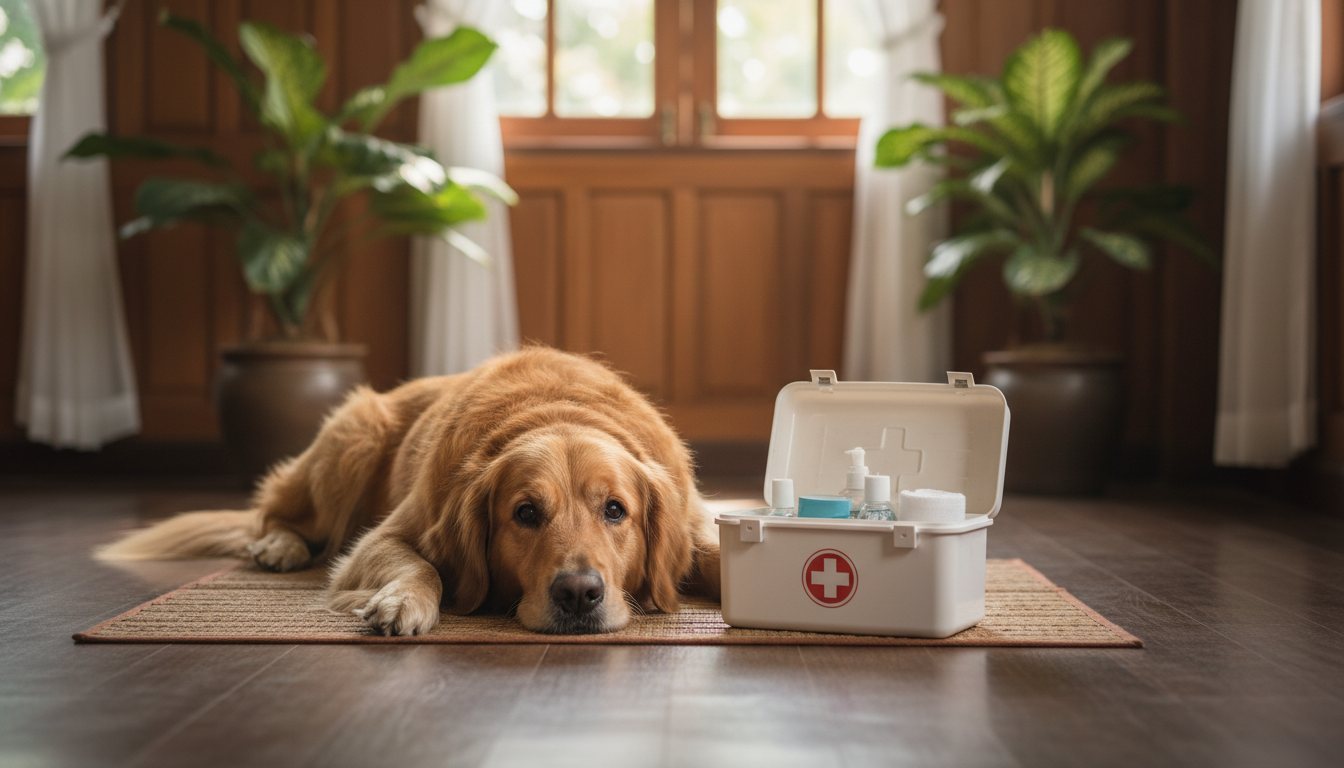
The Essential Thai Pet First-Aid Kit
You do not need medical training to assemble a highly effective pet first-aid kit. It is best to keep two kits: one for your home and a smaller, travel-friendly version in your car for road trips to pet-friendly beaches or weekend hikes.
Your basic kit should include:
- Sterile saline solution: Perfect for flushing dirt out of eyes or rinsing debris from cuts without causing irritation.
- Antiseptic wipes or chlorhexidine solution: For cleaning wounds. Avoid using alcohol or hydrogen peroxide directly on deep wounds as they can damage tissue.
- Bandaging materials: Non-stick sterile pads, conforming gauze bandages, and self-adhesive vet wrap (which does not stick to fur).
- Blunt-nosed scissors and tweezers: For cutting bandages safely and removing splinters or ticks.
- A clean towel or blanket: Useful for keeping a shocked animal warm, or for safely wrapping a stressed cat to prevent scratching.
- A muzzle or soft strip of gauze: Even the gentlest pet may bite when in severe pain. Only use this if the pet is not vomiting or struggling to breathe.
Keep all items in a waterproof, clearly labeled container. Check the kit twice a year to replace expired items and restock anything you have used.
Beating the Heat: Managing Heatstroke
Thailand's high temperatures and humidity are more than just uncomfortable; they can be deadly for pets. Brachycephalic (flat-faced) breeds like Pugs, Bulldogs, and Persian cats are particularly vulnerable, but any pet can suffer from heatstroke.
Signs of heatstroke include heavy, frantic panting, bright red gums, drooling, weakness, and vomiting. If you suspect heatstroke, act immediately. Move your pet to a shaded, air-conditioned area. Wrap them in cool, damp towels, or gently pour cool water over their body. Focus on the back of the neck, armpits, and groin.
Never use ice-cold water, as this can cause blood vessels to constrict, trapping heat inside the body. Once you have started the cooling process, transport your pet to the nearest veterinary clinic immediately, keeping the car air conditioner on high.
Cuts, Scrapes, and Encounters with Local Wildlife
Active pets in Thailand often explore areas where they might encounter sharp construction debris, broken glass, or local wildlife. If your pet gets a minor cut, rinse it with sterile saline and apply gentle pressure with a clean gauze pad to stop any bleeding.
Our tropical environment is also home to insects, centipedes, and snakes. If your pet is stung by a wasp or bitten by an ant, you may see localized swelling. A cool compress can help soothe the area. However, if you suspect a snake bite or a sting from a venomous centipede, do not attempt home treatment.
Do not try to catch the snake, but if safe, take a quick photo from a distance to help the veterinarian identify the species. Keep your pet as calm and still as possible to slow the spread of venom, and drive straight to an emergency animal hospital.
Toxins and Accidental Ingestion
From common household cleaners to certain tropical plants and human foods like chocolate or onions, toxins are a constant hazard. In Thai neighborhoods, community-managed pest control or street hazards can also pose risks if pets roam freely.
If you suspect your pet has eaten something toxic, do not induce vomiting at home unless explicitly instructed to do so by a veterinary professional. Some toxins can cause severe chemical burns to the esophagus on the way back up.
Instead, try to identify what they ate, collect the packaging or a sample of the substance if safe to do so, and contact your vet immediately. They will advise you on the next steps based on the specific substance and your pet's weight.
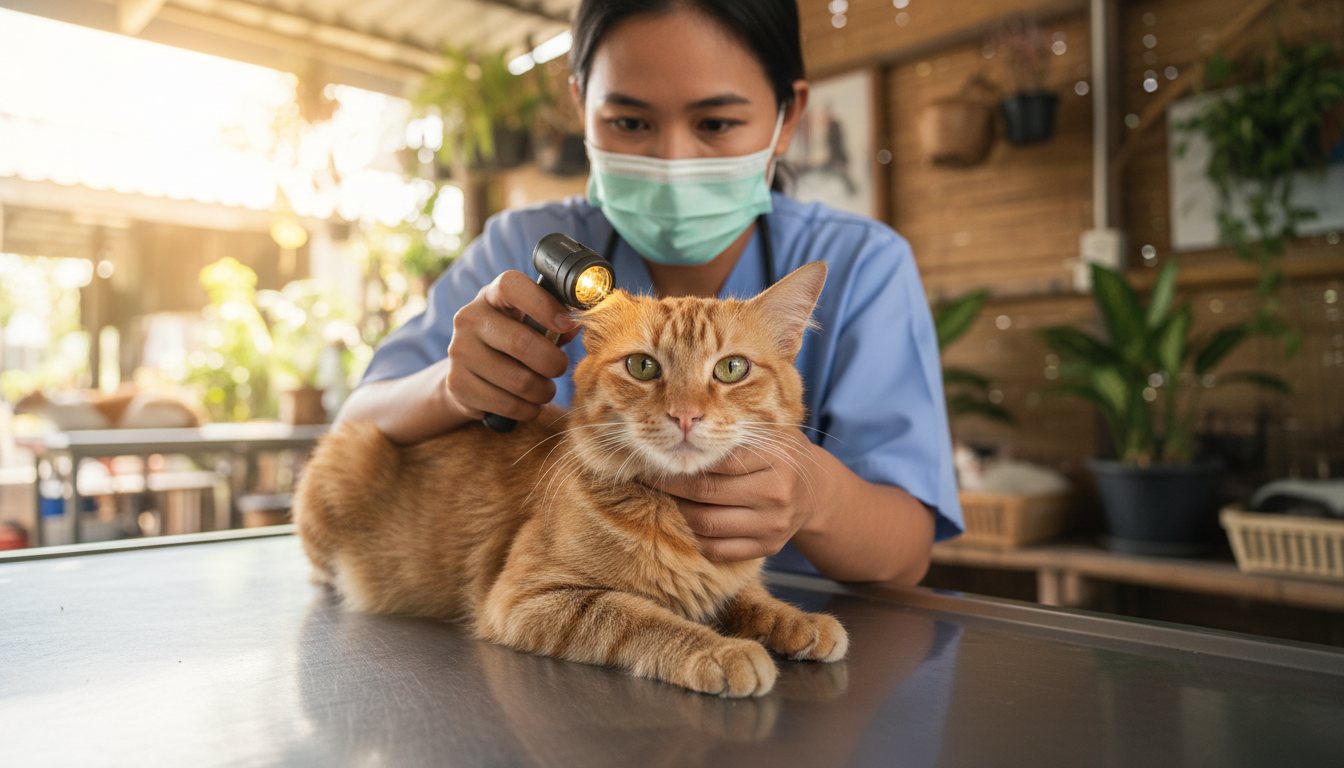
Emergency Contacts and What to Do First
When an emergency strikes, panic is your worst enemy. The best way to stay calm is to have a clear plan. Keep a card inside your first-aid kit and a digital note on your phone with essential contact details.
This list should include:
- Your primary veterinary clinic's phone number and operating hours.
- The contact details and address of the nearest 24-hour emergency animal hospital.
- The number of a reliable pet taxi or transport service, in case you do not drive.
Always call the clinic while you are on your way. This brief call allows the veterinary team to prepare the necessary equipment, oxygen, or medication before you arrive, saving precious minutes that could save your pet's life. Remember, first aid is never a substitute for professional veterinary care; it is simply the bridge that keeps your pet safe until you reach the clinic.
This guide is general information, not veterinary or legal advice. Rules, fees and requirements change: check with your vet or the relevant authority before you act.
Written by
Boba
Part of the Wagdee community of pet lovers in Thailand.
Keep reading
 Health & care
28 September 2026 · 4 min read
Rabies in Thailand: What Every Pet Owner Should Know
Protect your dog or cat from rabies in Thailand. Learn about annual boosters, emergency steps for animal bites, and keeping your pet's vaccination records up to date.
 Health & care
24 September 2026 · 5 min read
Heatstroke in Dogs: Spotting the Signs in a Thai Summer
As Thailand's hot season peaks, learn how to protect your dog from heatstroke, recognize the early warning signs, and take immediate life-saving action.
 Health & care
20 September 2026 · 4 min read
Ticks, Fleas, and Blood Parasites in Thailand: A Year-Round Guide
Protect your pets from Thailand's year-round tick and flea threat. Learn how to prevent blood parasites, spot early warning signs, and keep your home pest-free.