

 ไทย
ไทย Français
 Русский
 Deutsch
 Español
 中文
中文 한국어
한국어 日本語
日本語Fresh Food or Kibble? Feeding Pets in a Hot Climate
Discover the pros and cons of fresh food and kibble in Thailand's tropical climate, and learn how to protect your pet's meals from humidity, mold, and ants.
Boba
22 August 2026 · 4 min read
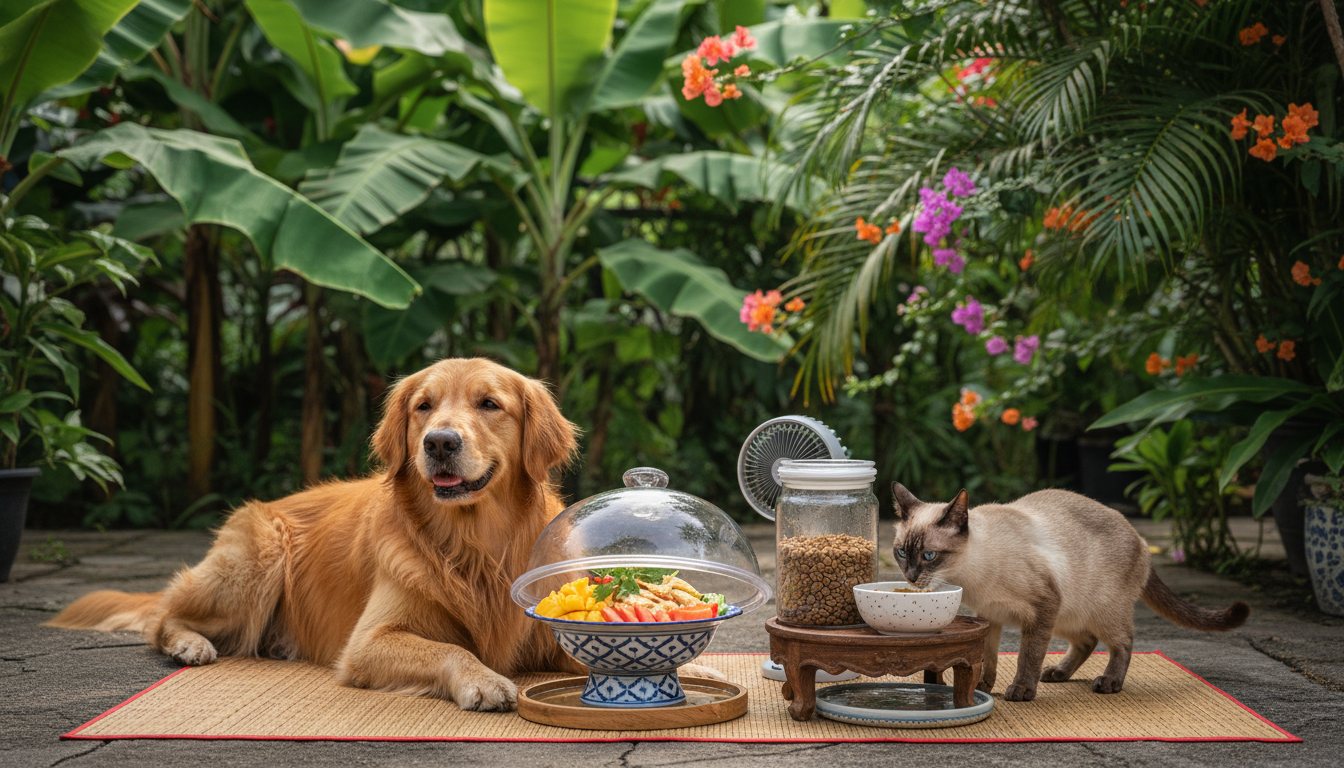
Living in Thailand means navigating relentless heat and high humidity, whether you are in a high-rise Bangkok condo or a leafy villa in Chiang Mai. For pet owners, this tropical climate introduces unique challenges to daily feeding routines. The debate between dry kibble and fresh food is not just about nutrition; it is also about preservation, hydration, and pest control. Choosing the right diet for your dog or cat requires understanding how our local weather affects what goes into their bowls, and how to keep that food safe from the elements.
The Kibble Equation: Convenience vs. Tropical Humidity
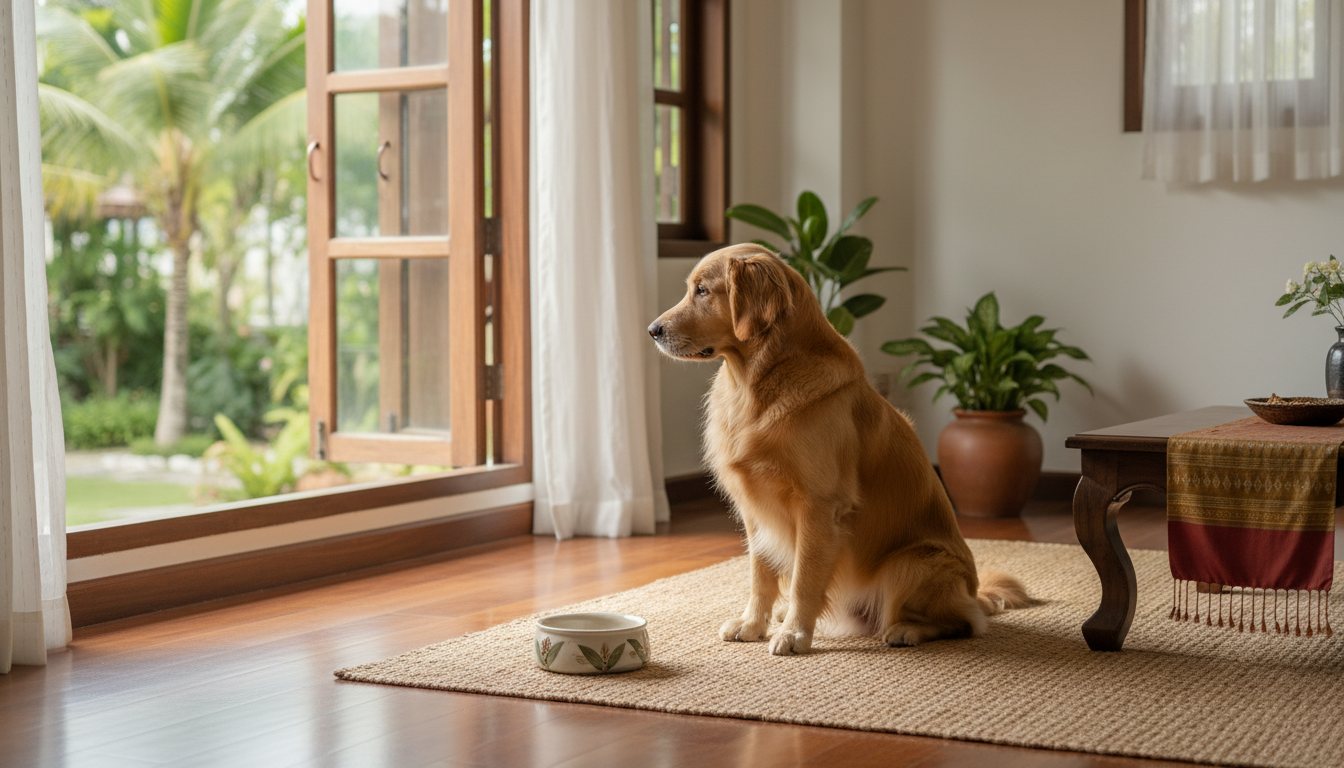
Dry kibble is the go-to choice for many pet owners in Thailand due to its convenience and long shelf-life. It is easy to portion, clean up, and store. However, our tropical humidity is kibble's greatest enemy. Once a bag of dry food is opened, it begins to absorb moisture from the air. This moisture creates the perfect breeding ground for mold and microscopic fungi, some of which can produce harmful mycotoxins.
Furthermore, the oils in kibble can quickly go rancid when exposed to sustained heat, leading to a foul smell and digestive upset for your pet. Another common nuisance is the tiny grain weevil or the relentless columns of tropical ants that can invade a bag of kibble overnight. While dry food remains highly practical, it requires active defense strategies to keep it safe in Thailand's climate.
The Fresh Food Route: Hydration and Spoilage
Fresh food—whether home-cooked meals or commercially prepared fresh pet food—has gained immense popularity among Thai pet owners. The primary benefit of fresh food in a hot climate is its high moisture content. Dogs and cats often do not drink enough water, and getting hydration directly from their food helps support kidney function and prevents heat exhaustion.
The major drawback, however, is rapid spoilage. In temperatures that regularly exceed 30 degrees Celsius, fresh food left in a bowl can spoil within thirty minutes. Bacteria thrive in warm, moist environments, turning a nutritious meal into a food poisoning hazard. Feeding fresh food requires strict scheduling: you must serve it, let your pet eat, and immediately clear away any leftovers to be refrigerated or discarded.
Defeating the Elements: Storage and Ant-Proofing
To keep your pet's food safe, you must adapt your storage habits to the local environment. Here are practical ways to protect both kibble and fresh food from humidity and pests:
- Use airtight containers: Do not rely on the original packaging unless it has a high-quality zip lock. Transfer kibble into food-grade, airtight plastic or glass containers. Keeping the kibble inside its original bag inside the container provides an extra layer of protection.
- Store in a cool, dry place: Avoid storing pet food in utility balconies, outdoor kitchens, or areas that receive direct sunlight. If your home is not air-conditioned during the day, find the coolest interior pantry or cupboard.
- Freeze fresh portions: Divide fresh food into single-meal portions and freeze them. Thaw only what you need for the day in the refrigerator.
- Deploy ant barriers: Use dual-layer pet bowls with a water moat or place the food bowl on a tray filled with a shallow layer of water to stop ants from reaching the food.
Hydration and Portioning in the Heat
Just like humans, pets often experience a drop in appetite during the hottest months of the year. If your dog or cat seems less enthusiastic about their meals during an April heatwave, this is often a natural response to reduced energy expenditure. Do not force them to eat; instead, consider adjusting their feeding schedule to the cooler parts of the day, such as early morning and late evening.
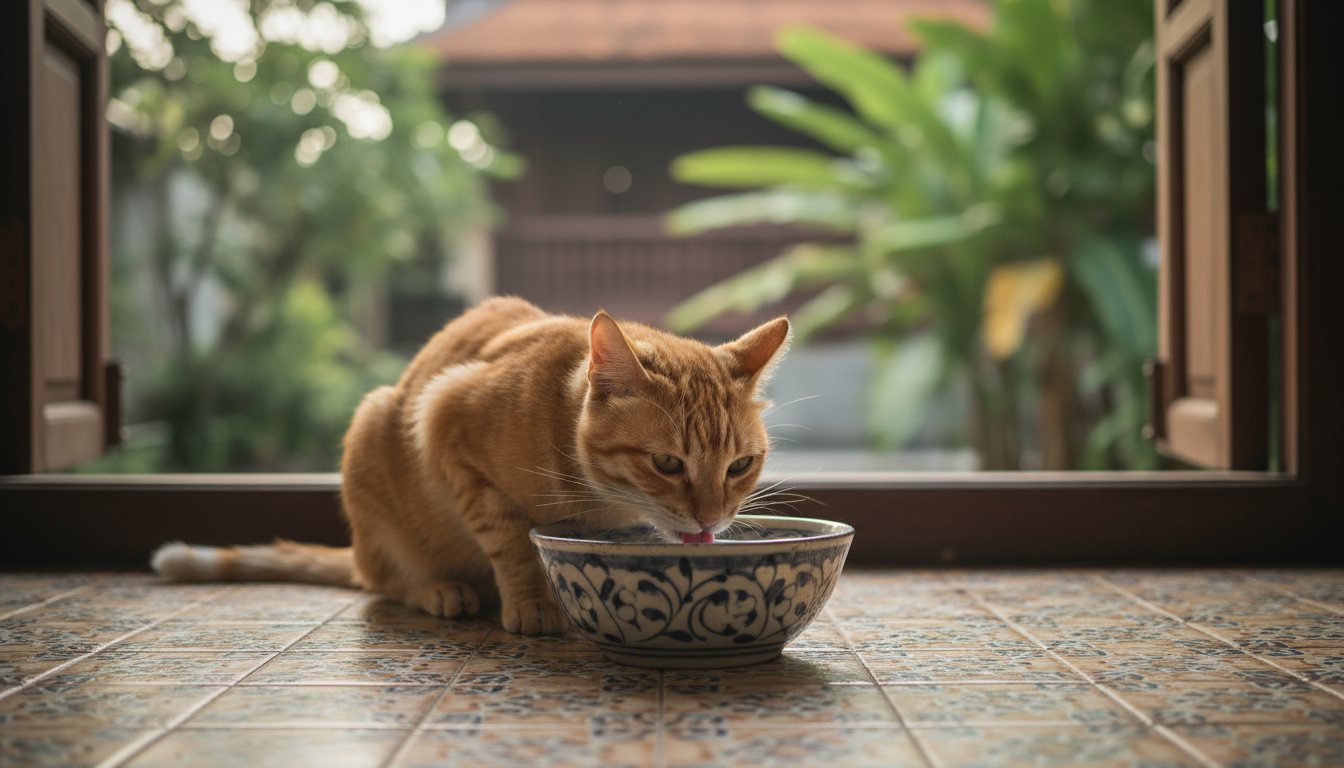
Hydration must be your top priority. Always provide multiple water stations around your home. In Thailand's heat, water bowls can quickly warm up and accumulate bacteria. Wash the bowls daily and refill them with fresh, filtered water. Adding a couple of ice cubes to the water bowl can encourage your pet to drink more and help lower their core body temperature.
Making the Switch Safely
Before you make any drastic changes to your pet's diet—such as switching entirely from kibble to fresh food or vice versa—it is essential to consult with a qualified veterinarian. A sudden dietary shift can cause severe gastrointestinal distress, which can lead to dehydration—a dangerous condition in a hot climate. Your vet can help you calculate the correct caloric intake and ensure the new diet is nutritionally balanced.
If you are importing specialty diets or raw food ingredients, be aware that Thailand's Department of Livestock Development regulates the import of animal products, and guidelines can change. Always check official channels or consult your vet to ensure your pet's food sources are compliant and safe. A gradual transition over 7 to 10 days, slowly mixing the new food with the old, is the safest way to keep your pet healthy and happy under the Thai sun.
This guide is general information, not veterinary or legal advice. Rules, fees and requirements change: check with your vet or the relevant authority before you act.
Written by
Boba
Part of the Wagdee community of pet lovers in Thailand.
Keep reading
 Food & nutrition
26 August 2026 · 4 min read
Thai Street Food Your Dog Must Never Eat
Thai street food is legendary, but many common local dishes contain ingredients that are highly toxic to dogs. Here is what to keep away from your pup.
 Food & nutrition
18 August 2026 · 4 min read
Which Thai Fruits Are Safe for Dogs and Cats?
Discover which delicious tropical fruits from Thailand's local markets are safe for your dogs and cats, and which ones you must avoid at all costs.
 Food & nutrition
14 August 2026 · 4 min read
Keeping Pets Cool: Essential Hydration Hacks for Thailand's Heat
Beat the Thai heat with these practical, expert-approved hydration tips and hacks to keep your dogs and cats safe, healthy, and happy all year round.