

 ไทย
ไทย Français
 Русский
 Deutsch
 Español
 中文
中文 한국어
한국어 日本語
日本語Choosing a Vet in Bangkok: The Questions to Ask
Navigating veterinary care in Bangkok can be challenging. Here is a practical guide to finding the right clinic or hospital, managing traffic, and asking the right questions.
Boba
11 September 2026 · 5 min read

Bangkok is a vibrant, pet-loving city, but its tropical climate brings unique challenges for our dogs and cats. From high humidity that triggers stubborn skin allergies to the constant, year-round threat of mosquito-borne heartworm, keeping your pet healthy requires a reliable veterinary partner. However, finding the right vet in a sprawling metropolis of over ten million people—where seasonal monsoons can flood streets and traffic can easily turn a short drive into an hour-long ordeal—requires some strategic planning. Whether you are a Thai local or an expat who has recently arrived, asking the right questions upfront will save you immense stress when your pet needs medical attention.
Clinic vs. Hospital: Understanding the Difference
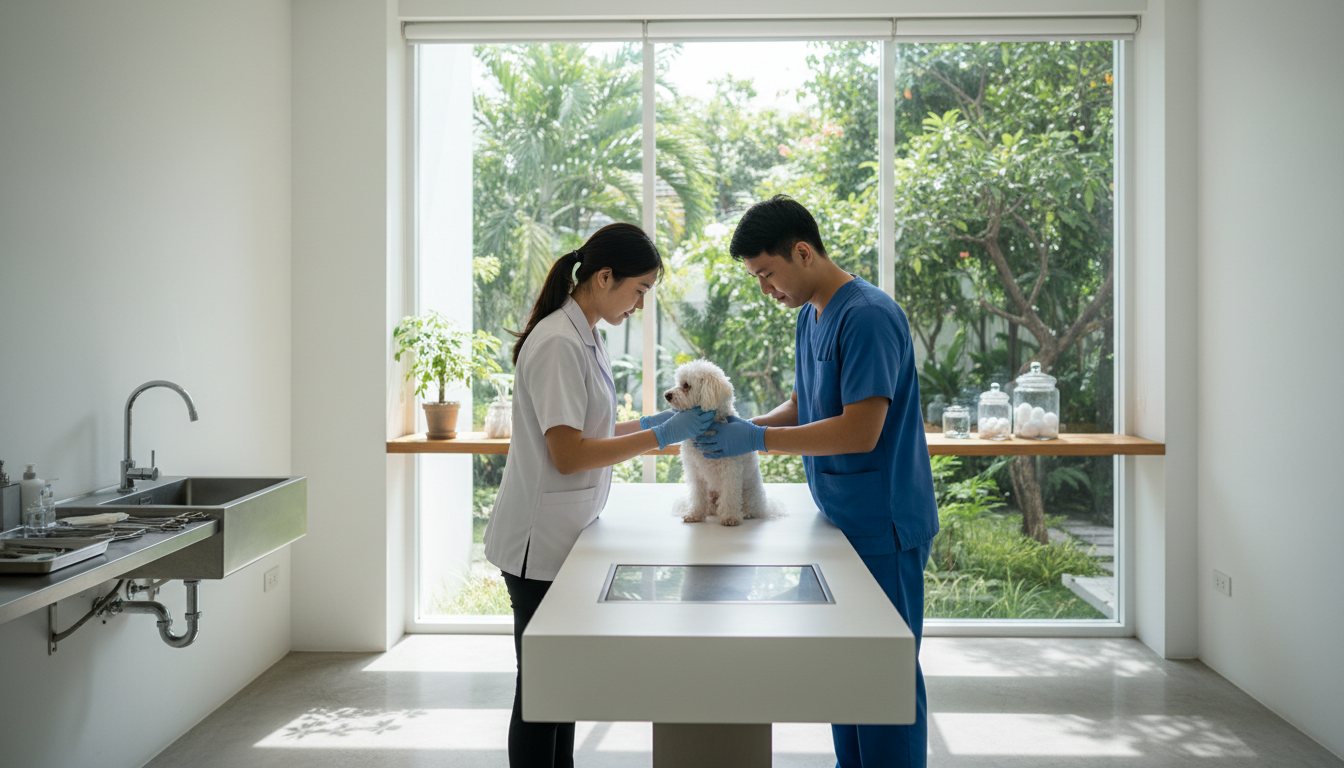
In Thailand, veterinary facilities generally fall into two categories: clinics and animal hospitals. Knowing the difference helps you decide where to go for routine care versus medical emergencies.
Veterinary clinics are typically smaller, neighborhood facilities. They are perfect for routine wellness checks, annual vaccinations, tick and flea prevention, and minor ailments. They are often run by one or two dedicated veterinarians who get to know your pet personally. However, they usually keep standard business hours and may not have overnight staff, advanced surgical suites, or complex diagnostic machinery.
Animal hospitals, on the other hand, are larger, multi-doctor facilities. Many of these operate 24 hours a day and are equipped with intensive care units, digital X-rays, ultrasound machines, and in-house laboratories. For serious illnesses, major surgeries, or middle-of-the-night emergencies, a hospital is your best choice.
Location, Traffic, and Emergency Access
In Bangkok, the best vet is often the one you can reach quickly. When choosing a primary care provider, consider the time of day you are most likely to visit and how rain or rush-hour traffic will affect your journey. A clinic that is fifteen minutes away at noon could be an hour away at 6:00 PM.
Always ask a prospective clinic what their protocol is for after-hours emergencies. If they close at night, do they have a direct referral partnership with a nearby 24-hour hospital? Keep the contact details of a 24-hour facility saved in your phone, along with the contact of a local pet taxi service, just in case you do not drive.
For pet owners living in the northern suburbs of the city, finding a comprehensive, reliable hospital nearby is vital to avoid long trips down the tollway. Phaholyothin Veterinary Doctor serves the Bangkhen and Sai Mai areas, offering dependable medical care, surgery, and hospitalization services close to home.
Communication and Language Barriers
Clear communication is the foundation of good veterinary care. For expats, finding English-speaking staff is a priority. Even for Thai locals, finding a vet who takes the time to explain complex diagnoses in plain, accessible language is essential.
When you visit a clinic for the first time, observe how the staff interacts with you and your pet. Are they patient? Do they explain the purpose of prescribed medications clearly? It is also wise to ask if the clinic can provide medical records, vaccination certificates, and prescriptions in English, which is particularly important if you plan to travel internationally with your pet in the future.
If you live in the northeast of the city, finding a warm, community-oriented team makes a world of difference. Merry Vet Clinic in the Khan Na Yao and Lat Phrao area is well-regarded for its friendly, approachable environment, making it an excellent choice for routine care and clear, supportive communication.
Specialists and Advanced Care
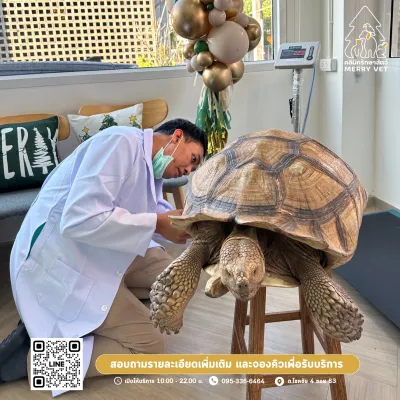
Just like human medicine, veterinary medicine has specialized branches. Because of Bangkok's hot and humid weather, dermatological issues are incredibly common, and many pets eventually need to see a veterinary dermatologist. Other pets may require cardiologists, oncologists, or orthopedic surgeons.
Before you choose a clinic, ask if they have visiting specialists or if they can refer you to a trusted specialist network. If your pet has an ongoing health condition, or if you own a breed prone to specific joint or heart issues, having a direct line to specialized care is invaluable.
For advanced surgical needs, you want a facility equipped with specialized monitoring equipment and highly trained surgeons. Located in the heart of the city, BONDy Pet Hospital Surgery Center in the Khlong Toei and Watthana area is a dedicated facility focusing on advanced surgical procedures, offering a high standard of specialized care.


Price Transparency and Your First Visit Checklist
Veterinary fees in Thailand are not federally fixed, meaning prices can vary significantly between private boutique clinics, large 24-hour hospitals, and government-run university hospitals (such as those at Kasetsart University or Chulalongkorn University). While university hospitals are highly affordable and offer world-class expertise, they operate on a first-come, first-served basis and often involve very long wait times.
Private clinics offer convenience and speed but at a higher cost. A reputable clinic should always be transparent about their pricing. Do not hesitate to ask for an itemized estimate before any major diagnostic test, hospitalization, or surgery.
For official regulations regarding pet import, export, and mandatory vaccinations in Thailand, always consult the Department of Livestock Development (DLD) or your vet directly, as rules can change.
When visiting a new vet for the first time, bring your pet's complete vaccination history and use this quick checklist to evaluate the facility:
- Emergency protocol: What are your hours, and where should I go if my pet has an emergency at 2:00 AM?
- Diagnostics: Do you perform blood tests and X-rays in-house, or do you send them to an external lab?
- Pharmacy: Are medications clearly labeled in English and Thai with the active ingredients and dosages?
- Cleanliness: Is the waiting area clean, well-ventilated, and organized? Are dogs and cats kept reasonably separated to reduce stress?
Finding the right veterinarian takes a little time, but establishing a relationship with a trusted professional is the best way to ensure your dog or cat enjoys a long, healthy life in Bangkok.
This guide is general information, not veterinary or legal advice. Rules, fees and requirements change: check with your vet or the relevant authority before you act.
Written by
Boba
Part of the Wagdee community of pet lovers in Thailand.
Keep reading
 Health & care
28 September 2026 · 4 min read
Rabies in Thailand: What Every Pet Owner Should Know
Protect your dog or cat from rabies in Thailand. Learn about annual boosters, emergency steps for animal bites, and keeping your pet's vaccination records up to date.
 Health & care
24 September 2026 · 5 min read
Heatstroke in Dogs: Spotting the Signs in a Thai Summer
As Thailand's hot season peaks, learn how to protect your dog from heatstroke, recognize the early warning signs, and take immediate life-saving action.
 Health & care
20 September 2026 · 4 min read
Ticks, Fleas, and Blood Parasites in Thailand: A Year-Round Guide
Protect your pets from Thailand's year-round tick and flea threat. Learn how to prevent blood parasites, spot early warning signs, and keep your home pest-free.